
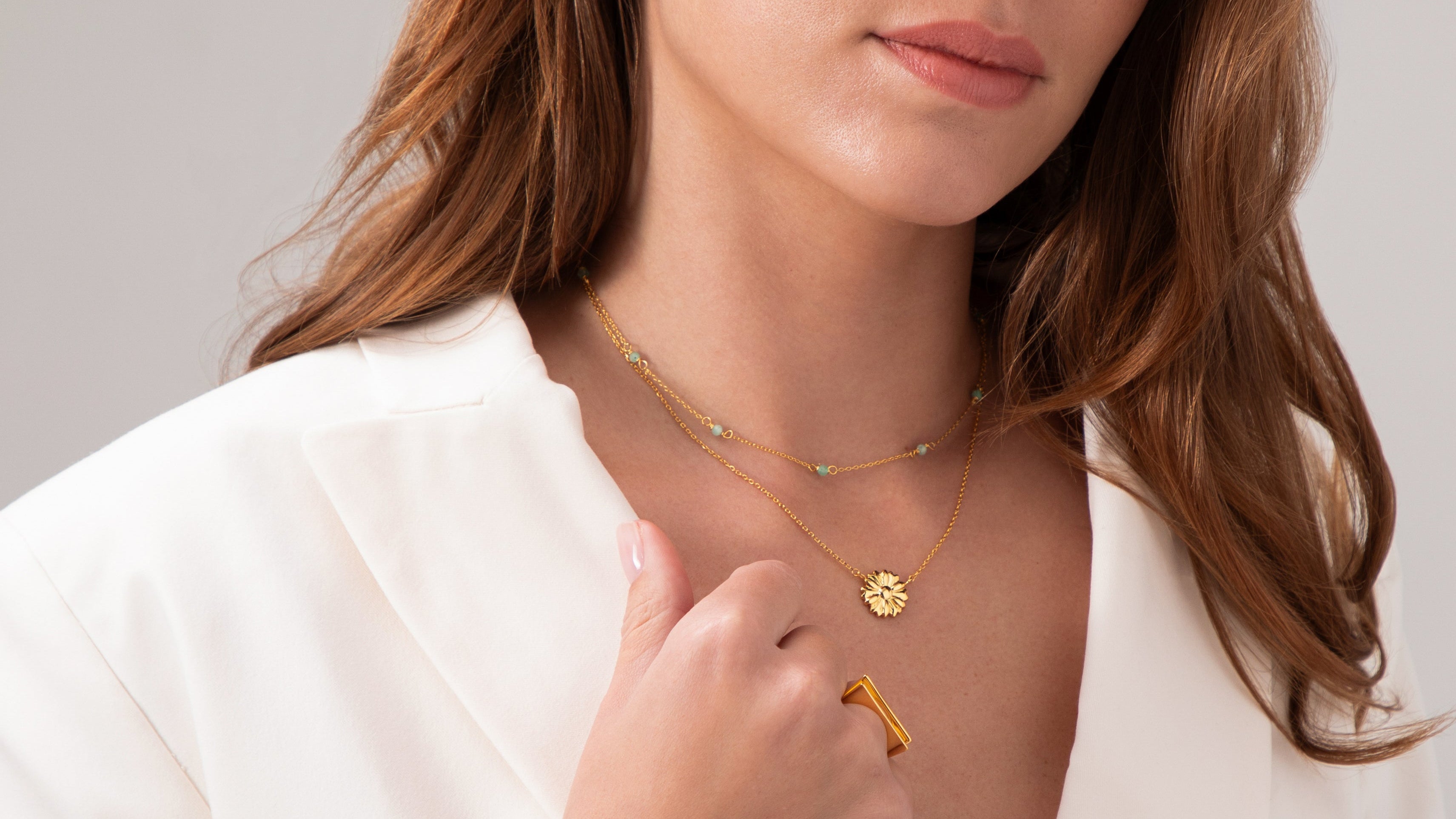
Do you have a piece of jewelry or silverware that once shined, but now looks dull, tarnished, or worn? Chances are it's time for gilding or silver plating. Many have heard the terms, but fewer actually know what happens in the process – or when it is actually necessary. Here, we explain it all, step by step.
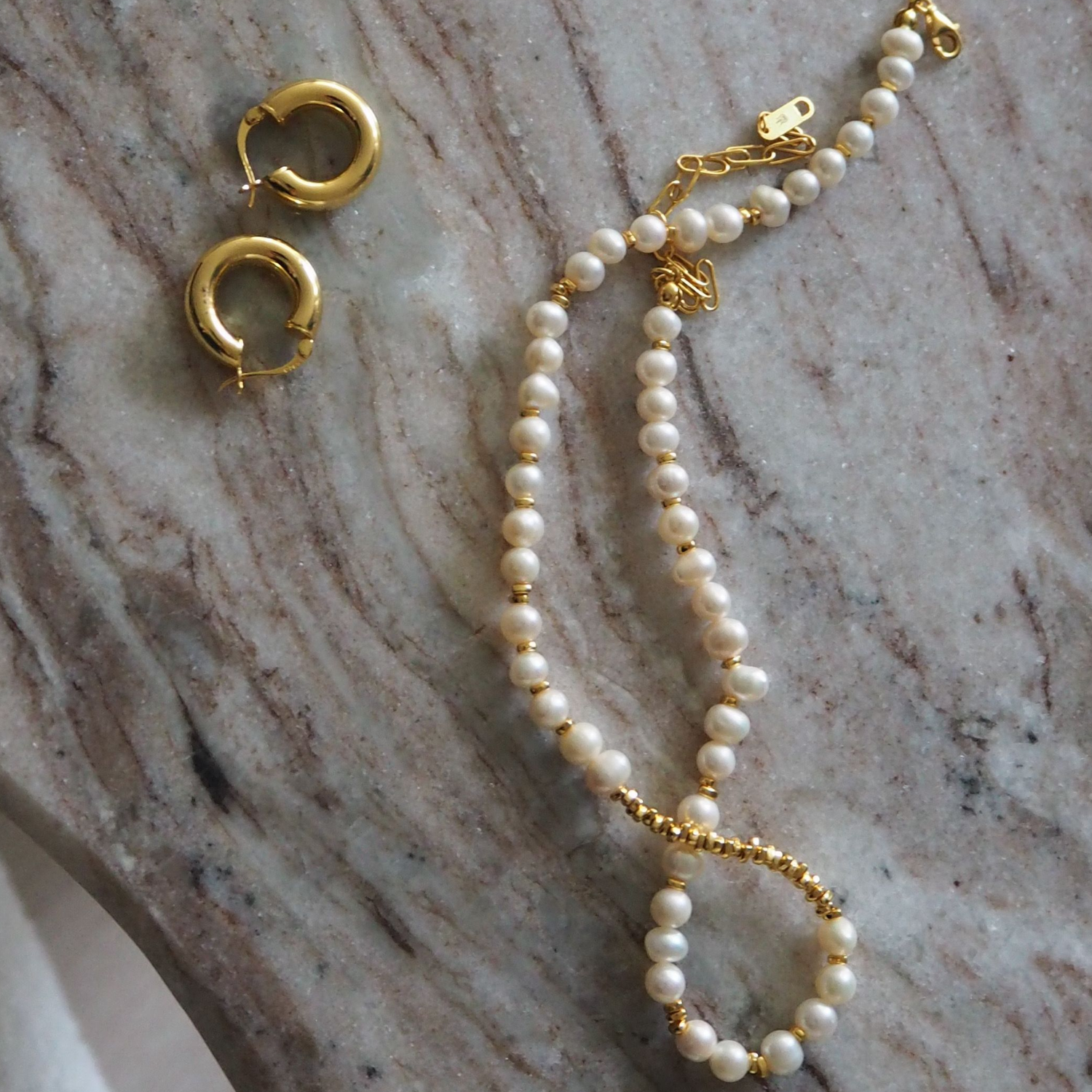
What is gilding?
Gilding is a process where a thin layer of pure gold is applied to another metal – such as silver or a lower-carat gold alloy. This gives the jewelry or object the golden, shiny appearance we associate with real gold, without the cost of solid gold jewelry.
Gilding is particularly common on:
- White gold – white gold is often gilded with rhodium (see separate section below) to achieve its cool, shiny color
- Silver jewelry – to give a gold-like appearance at a lower price than solid gold
- Older jewelry – to refresh the color after many years of use
What is Silver plating?
Silver plating works in the same way, just in reverse: a thin layer of pure silver is applied to another metal, such as brass or nickel silver (an alloy with no silver content). This is very common on older silverware, silver cutlery, and interior items, where the base material is not pure silver, but has been given a silver coating to provide the look and luster of genuine silver.
What is rhodium plating?
A term that often comes up together with gilding is rhodium plating. This is a type of coating used especially on white gold. Rhodium is a hard, shiny metal that gives white gold the cold, brilliant whiteness we expect – without rhodium plating, white gold will often have a faint yellowish undertone, as gold is inherently yellow and only mixed with other metals to become whiter.
Why do jewelry lose their luster over time?
The plating from gilding, silvering, or rhodium plating is thin – typically only a few micrometers. Over time, this layer naturally wears away through:
- Daily use and contact with skin, clothes, and other surfaces
- Contact with perfume, creams, soap, and cleaning agents
- Oxidation and natural tarnishing in air
- Wear from cleaning or polishing
As the plating wears away, the base metal gradually becomes visible – the jewelry may appear yellower (on white gold), dull, or the silverware may develop dark or brass-colored spots where the plating is gone.
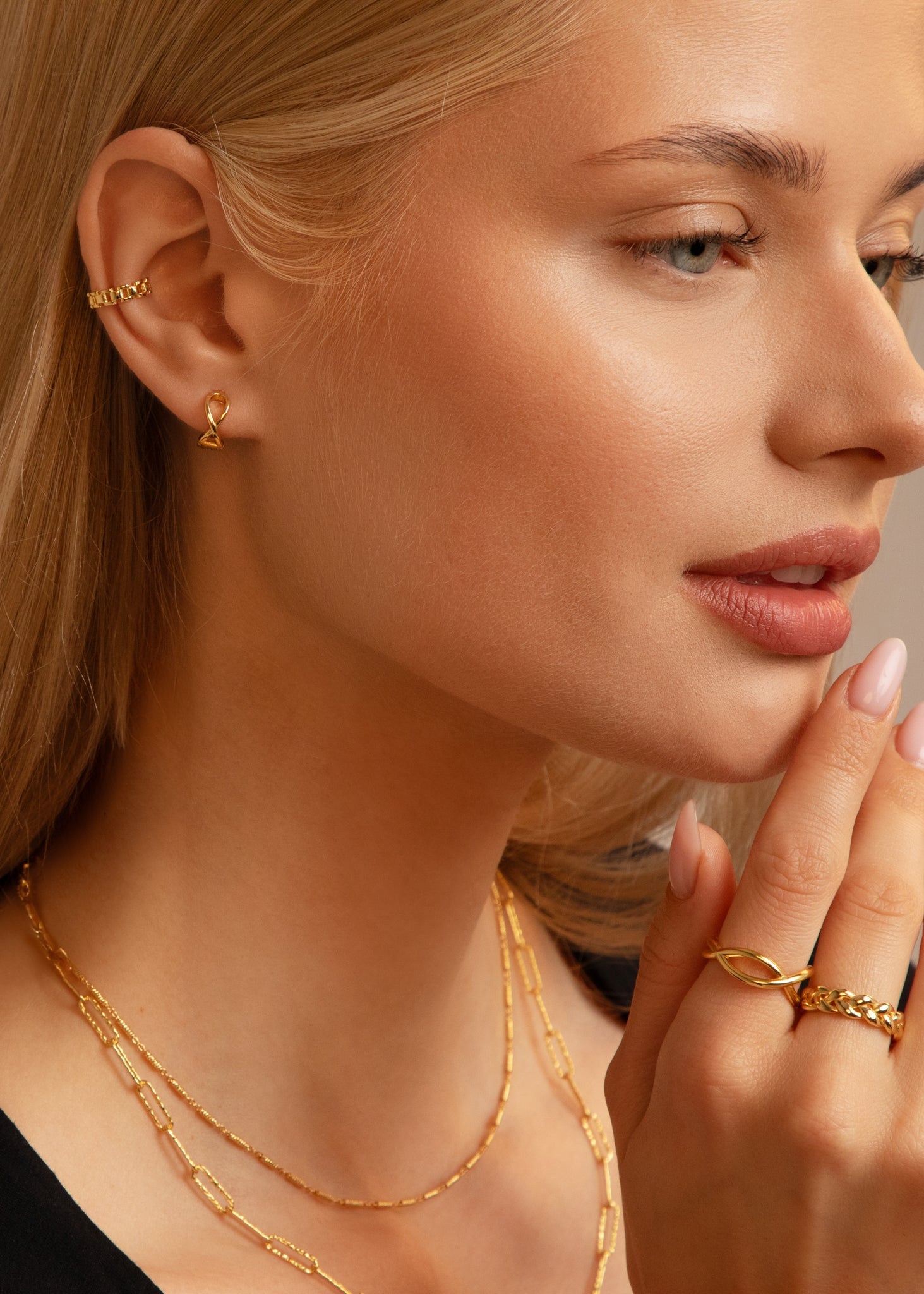
Time to re-gild or re-silver
- The ring or piece of jewelry has developed a faint yellowish or uneven tone
- The silverware has dark spots or visible base metal showing through the plating
- The surface is dull even after polishing
- The jewelry has been in daily use for several years without replating

How long does a new coating last?
This varies with use, but as a rule of thumb:
- Ring used daily: often 1–2 years before re-gilding/rhodium plating is recommended
- Jewelry used less frequently: can remain shiny for many years
- Silverware and interior items: often last longer as they are exposed to less direct skin contact, but may need renewal after many years of use or frequent polishing
It is important to note that gilding will always wear off over time. For some, this process happens faster than for others, and it depends on factors such as use, skin's pH value, perfume, and more.
We're happy to help!
Come visit us
Gilding and silver plating involve applying a thin, protective, and decorative layer of precious metal onto another surface – and over time, with daily use, this layer will naturally wear. This is not a sign of poor quality, but a completely normal part of a piece of jewelry's or silverware's life cycle. With regular maintenance, your favorite piece of jewelry or silver heirloom can look shiny and new for many years to come.
Get inspired!
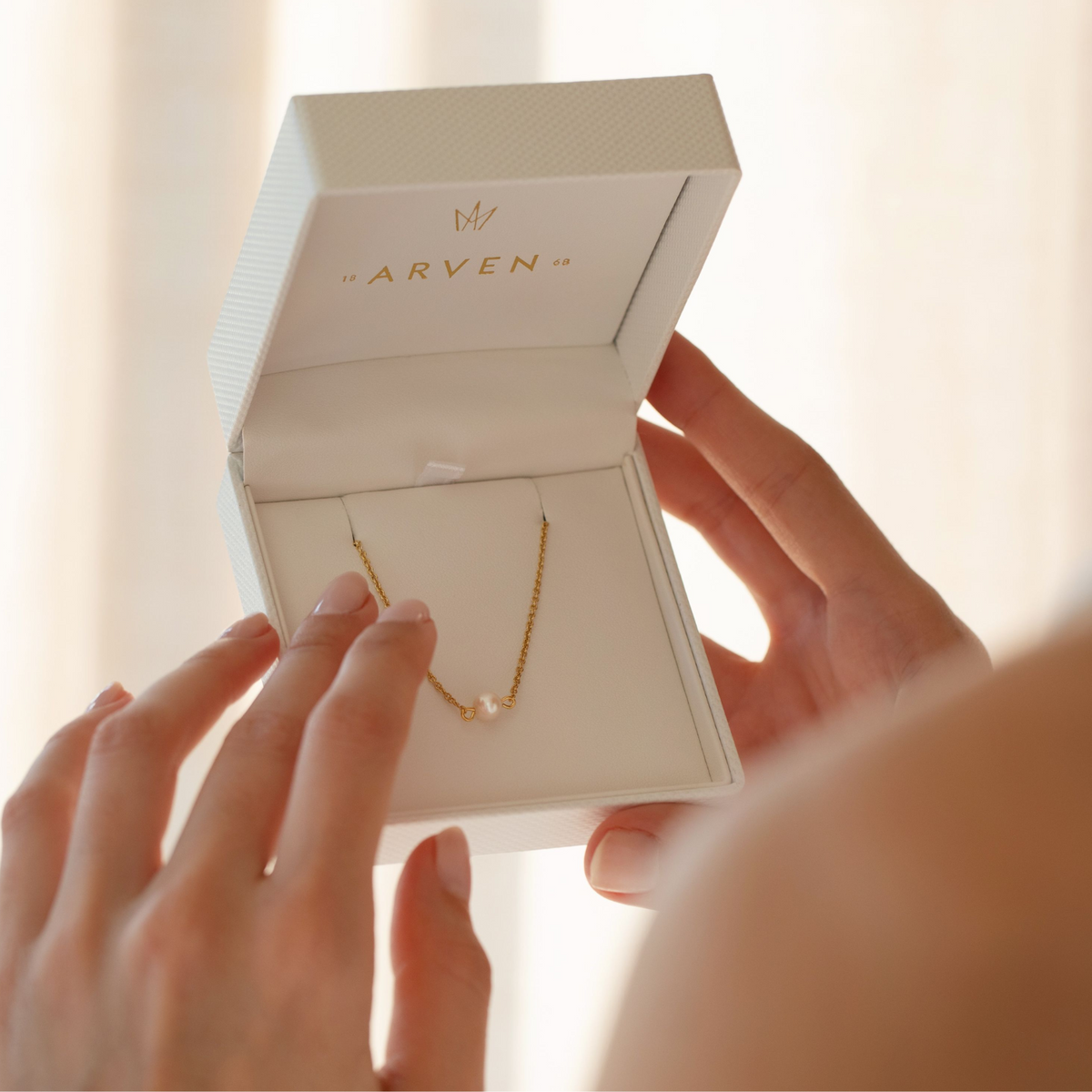
Julegaver i sølv og gull 2026 | Gaveguide
Leter du etter en julegave som varer? Se Arvens gaveguide til julen 2026 med smykker i gull og sølv, perler, vintage og personlig gravering.
Read more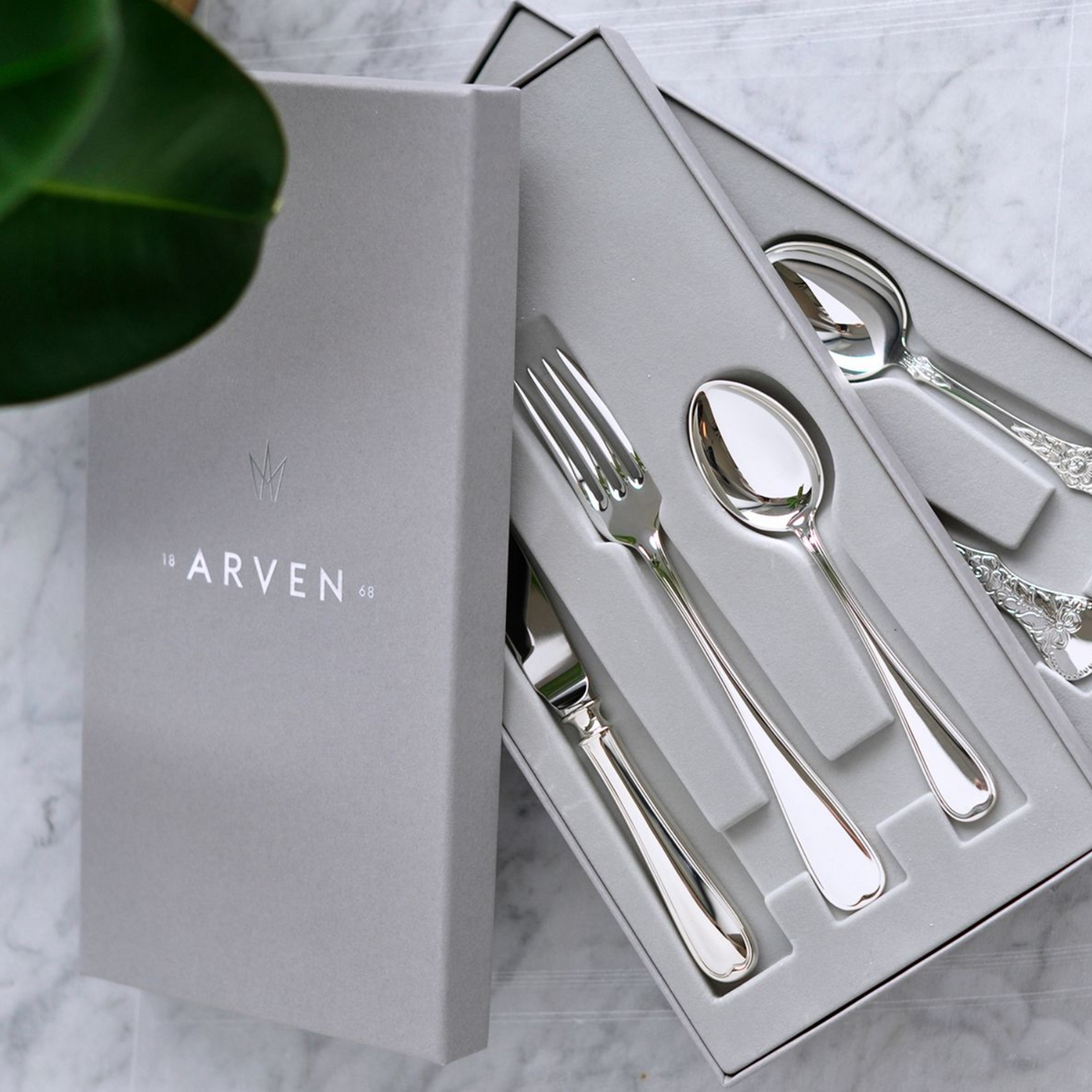
Pusse sølvbestikk | Slik gjør du det riktig
Har sølvbestikket blitt mørkt og matt? Her får du en guide til å pusse og vedlikeholde sølvbestikk, hva du bør unngå, og hvordan du oppbevarer det så det holder seg pent.
Read more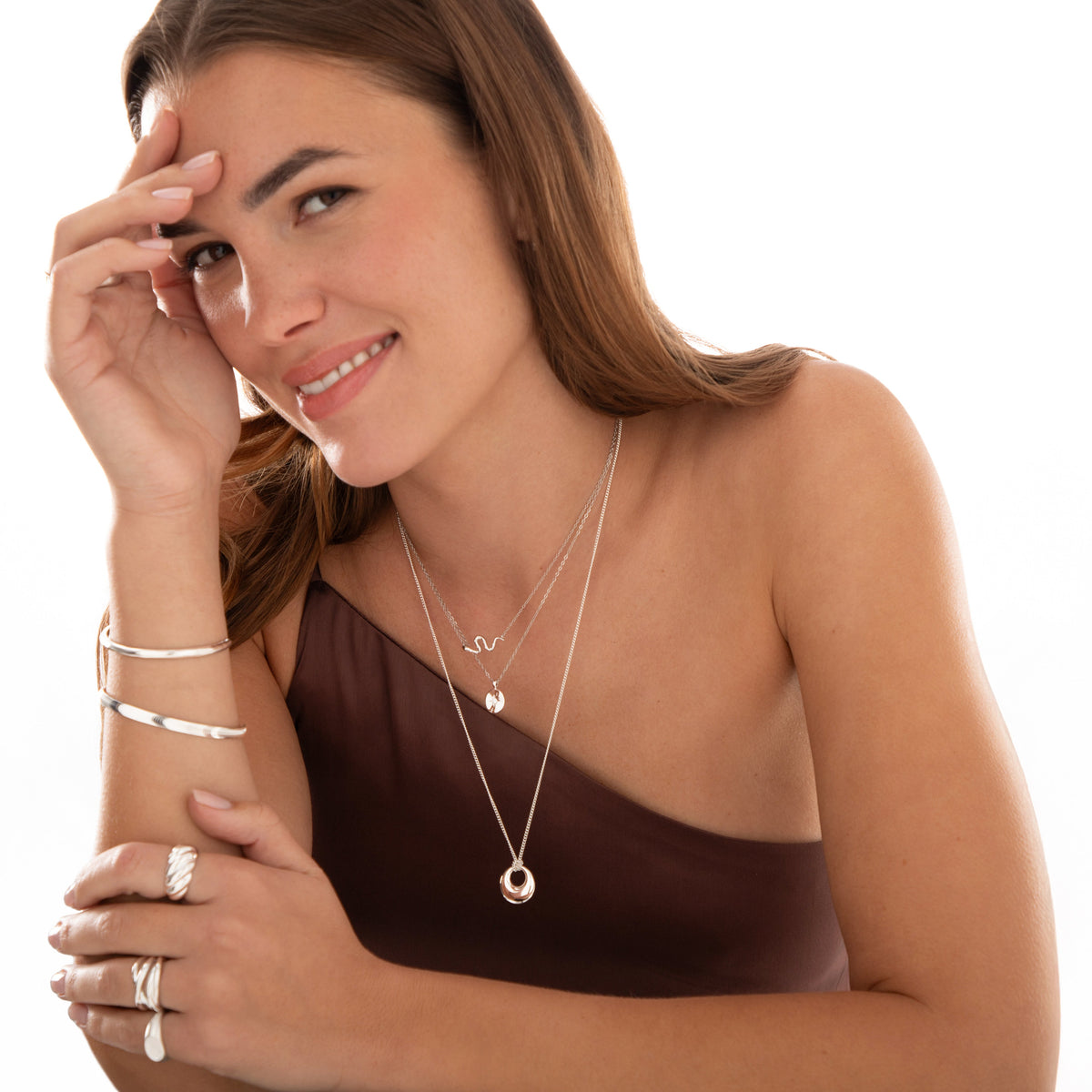
Correct Chain Length | Necklace Guide
Unsure which chain length to choose? Here's a complete guide to chain lengths, how to measure correctly, and which length suits different occasions.
Read more