
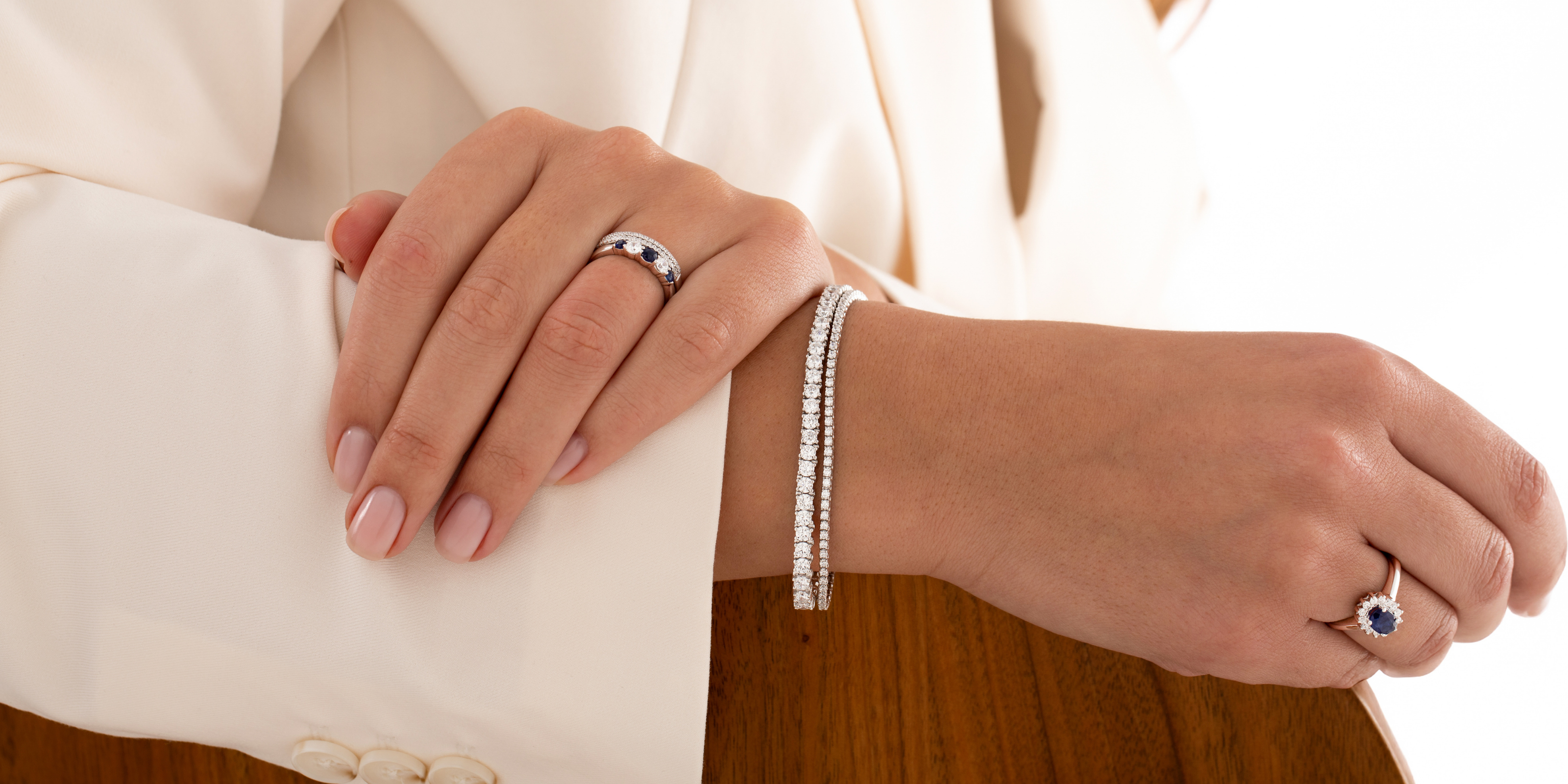
Jewelry insurance
Many people don't think about jewelry insurance until an accident has already happened – a ring lost while traveling, a necklace stolen, or a brooch lost in a fire. By then, it's too late to get coverage. Here, we go through why it might be worth insuring your jewelry, which pieces should be prioritized, and what an insurance appraisal actually is.

Why should you insure your jewelry?
Most home contents insurance policies automatically cover a certain sum for jewelry and valuables, but this sum is often lower than one might think – and far from enough to cover valuable individual items such as an engagement ring or an heirloom. Without proper coverage, you risk bearing all or part of the loss yourself if something is stolen, lost, or damaged.
A separate jewelry insurance policy, or an update to your home contents insurance with the correct sum, provides you with:
- Financial security if the jewelry is lost or damaged
- Coverage that actually reflects the value of the jewelry, not just a standard amount
- Peace of mind – you can wear your jewelry without unnecessary worry
Which jewelry should you insure?
Not all jewelry needs separate insurance coverage, but you should pay special attention to some categories:
- Engagement and wedding rings – often among the most expensive jewelry one owns, and something worn daily
- Jewelry with diamonds or gemstones – the value can be significantly higher than one might assume from appearance alone
- Inherited jewelry – these often have both a financial and sentimental value that is difficult to replace
- High-karat gold jewelry – 18-karat gold has a higher gold content, and thus higher material value, than, for example, 14-karat
- Rare or custom-designed pieces – unique jewelry or items difficult to replace with something similar
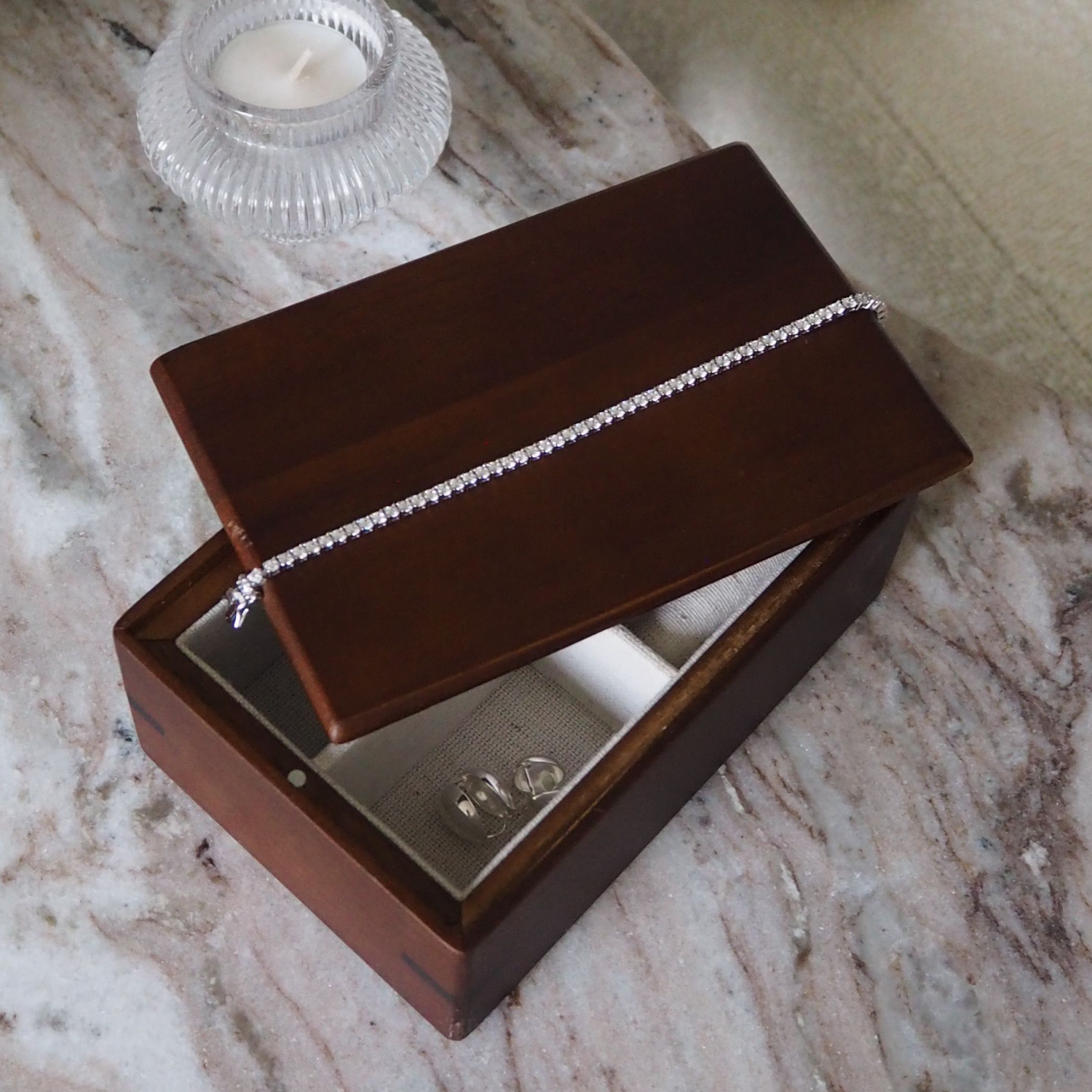
Valuation at Arven
What is an insurance appraisal?
An insurance valuation is a professional assessment of what it would cost to replace the piece of jewelry with an equivalent item, at the time of valuation. This provides the insurance company with a concrete basis for calculating the correct compensation should anything happen. Without a valuation, it can be difficult to document the value – which in the worst case means lower compensation than the jewelry is actually worth.
It is worth noting that an insurance valuation is often higher than what you would get from a resale, precisely because it is intended to cover the cost of replacing the jewelry with a new, equivalent product.
When should you have jewelry appraised?
Before you take out or update an insurance policy on a piece of valuable jewelry
- After a major purchase, such as an engagement ring or a piece of inherited jewelry of unknown value
- At regular intervals – preferably every five to ten years, as the prices of gold, diamonds, and gemstones change over time
- After a repair or alteration that may have affected the value
- At Arven, you always receive a receipt and invoice that can be used for insurance purposes, and if you need a new copy later, we are happy to help. If you would like a formal insurance appraisal, Arven can assist with this as well. Read more about appraisals at Arven here.
Get inspired!

The Four Cs | How to evaluate a diamond
Are you planning to buy a diamond – for an engagement ring, a pendant, or just for yourself? You will quickly encounter four words: carat, cut, clarity, and color. Here, we explain what they mean a...
Read more
Popular Christmas gifts | for him
Looking for a Christmas gift for him? See four popular gift ideas from Arven: rings, bracelets, necklaces, cufflinks and personalized engraving, crafted by goldsmiths in Bergen.
Read more
Christmas gifts | give a gift that lasts
Looking for a Christmas gift that lasts? See Arven's Christmas gift guide for 2026 featuring gold and silver jewelry, pearls, vintage pieces, and personalized engraving.
Read more