
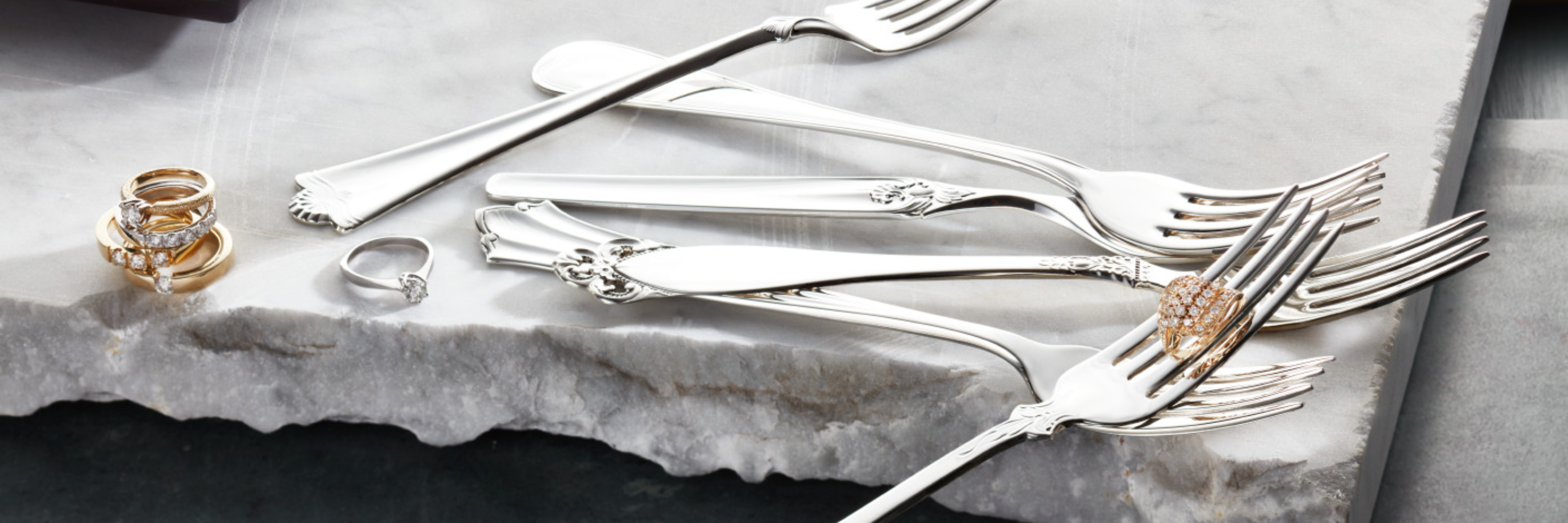
Silver cutlery is meant to be used, not just left in the cupboard. However, over time, silver develops a dark, dull film, and many wonder what the best way is to make it shiny again. Here, you will find a practical guide to polishing and maintenance, with tips on what you should avoid.
Why does silver tarnish?
Silver reacts with sulfur compounds in the air, forming a thin, dark layer on the surface. This is called tarnishing, and it is completely natural. It is not a sign that the cutlery is of poor quality, and it does not damage the silver. Tarnishing occurs faster in damp rooms and when the silver is left unused for a long time.
How to polish silver cutlery
1. Regular maintenance after use
The very best thing for silver cutlery is to use it often. Wash it by hand with lukewarm water and mild dish soap after use, and dry it immediately with a soft cloth. Food items such as eggs, mustard, mayonnaise, and citrus fruit should be washed off quickly, as they can cause stains.
2. Silver polish
When the cutlery has developed a visible dark tarnish, a polish intended for silver is the easiest and safest choice:
- Use a soft, damp cloth or sponge and apply a small amount of polish
- Rub gently in a lengthwise direction, not in circles
- Rinse well with lukewarm water so all residue disappears
- Dry thoroughly with a soft, dry cloth
- Feel free to buff with a clean polishing cloth for extra shine
Always read the instructions on the product, and test on a small area first if you are unsure.
3. Polishing cloth or impregnated cloth
For lightly tarnished silver, an impregnated silver cloth may be enough. It removes the thin layer of tarnish without the need for water or liquid, and is easy to use between major cleanings.
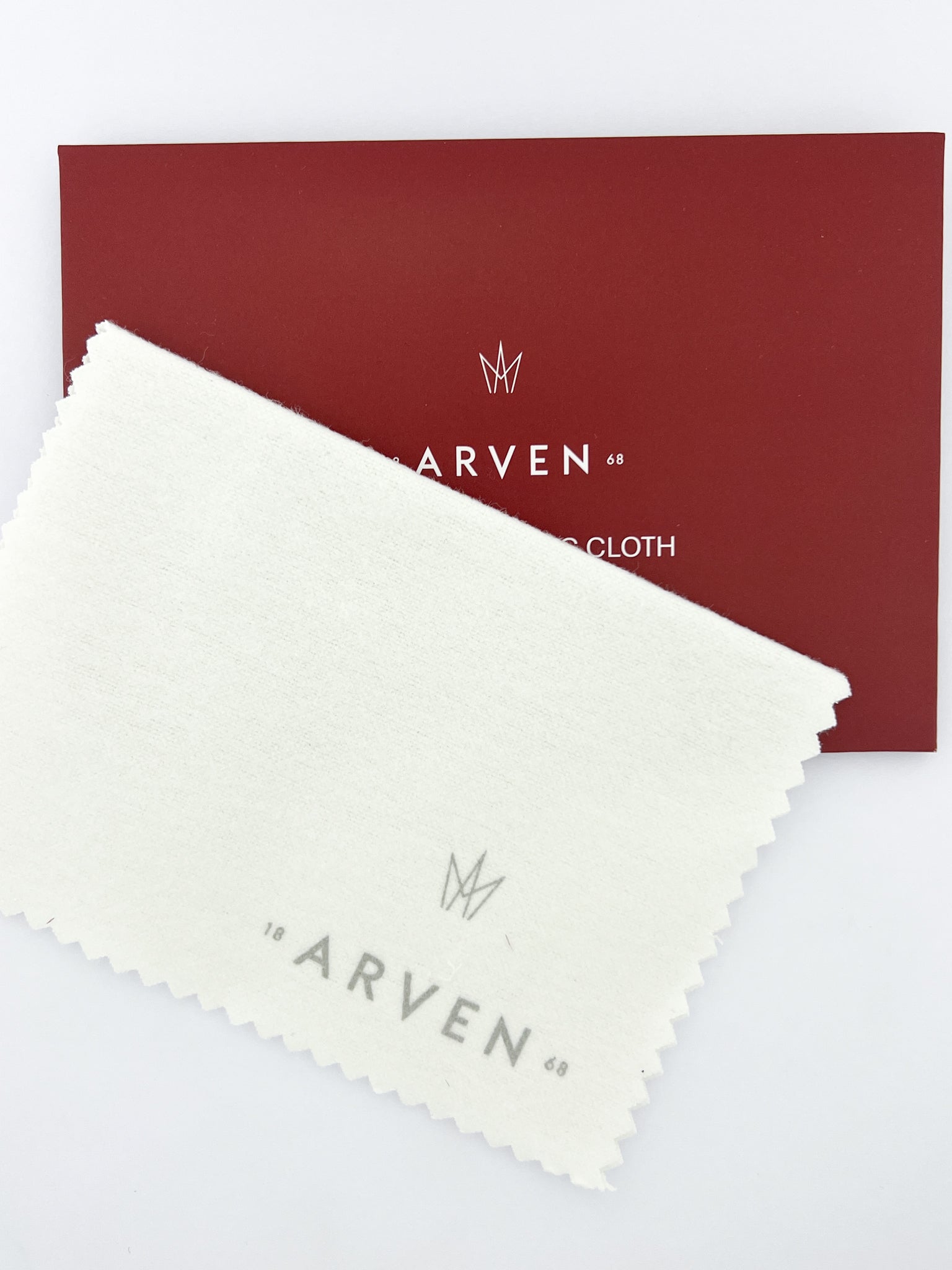
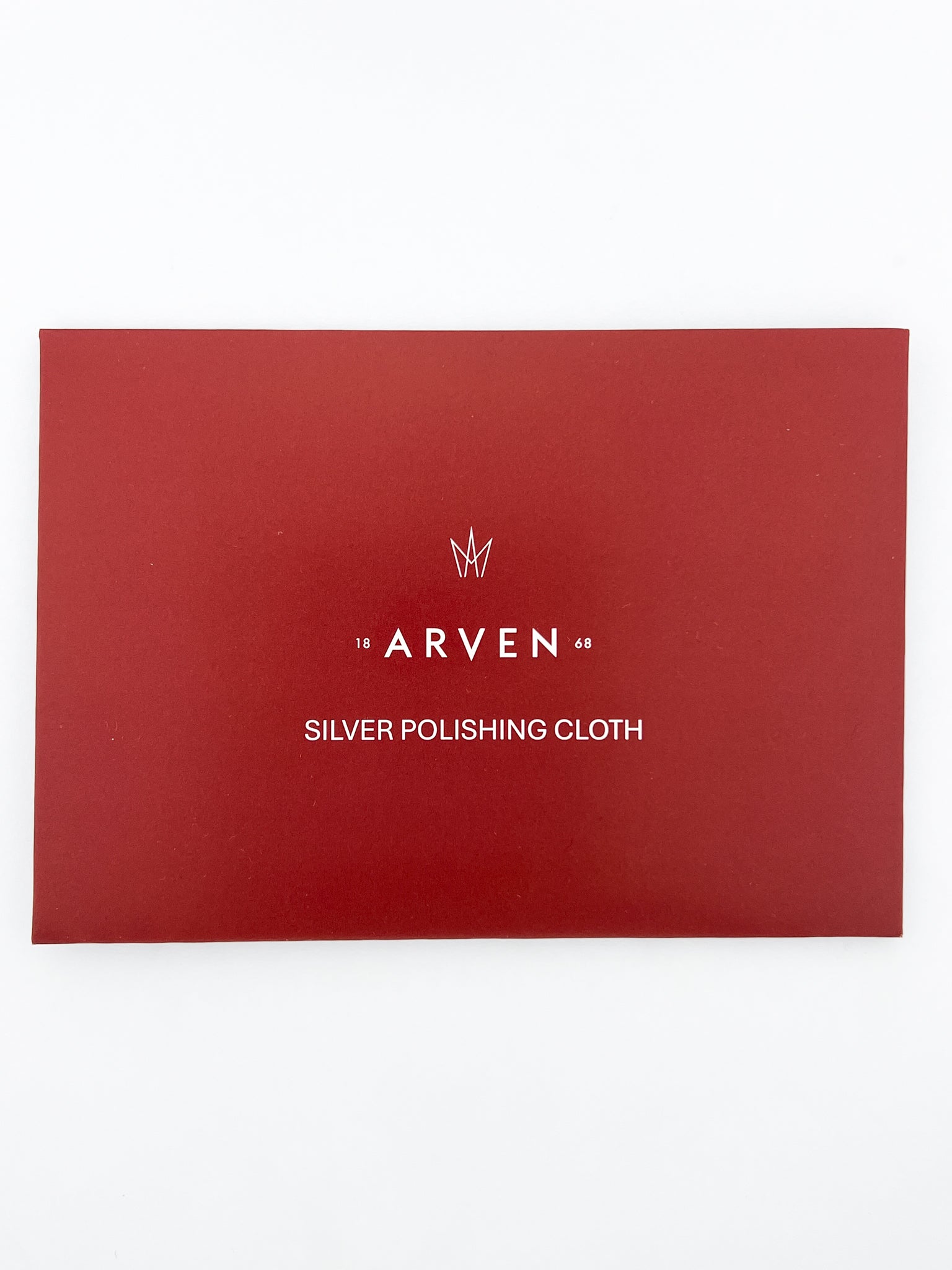
The Arven polishing cloth is designed for those who want a simple, effective, and safe solution to preserve the beauty of their silver over time. An indispensable accessory for anyone who wants to take good care of their silver treasures.
Pickup available at Arven Bergen Sentrum
Usually ready in 24 hours
Arven polishing cloth
Arven Bergen Sentrum
Sandbrogaten 11
5003 Bergen
Norway
Remember to distinguish between solid silver and silver plate.
Silver-plated items have only a thin layer of silver over another metal. Therefore, do not rub hard or often, and avoid strong abrasives, as you may polish away the silver layer itself. Once the plated layer is worn away, polishing will not help. In that case, resilvering can restore the object to its original appearance.
You should avoid this
- Toothpaste. It may seem like a home remedy that works, but toothpaste contains abrasives that create small scratches on the surface.
- Hard scrubbing. Use soft cloths, not coarse sponges or steel wool.
- Letting water air dry. Water spots and limescale easily settle on silver. Always wipe it dry.
- Rubber and fabric with sulfur. Rubber bands and certain types of wool and felt can cause dark stains.
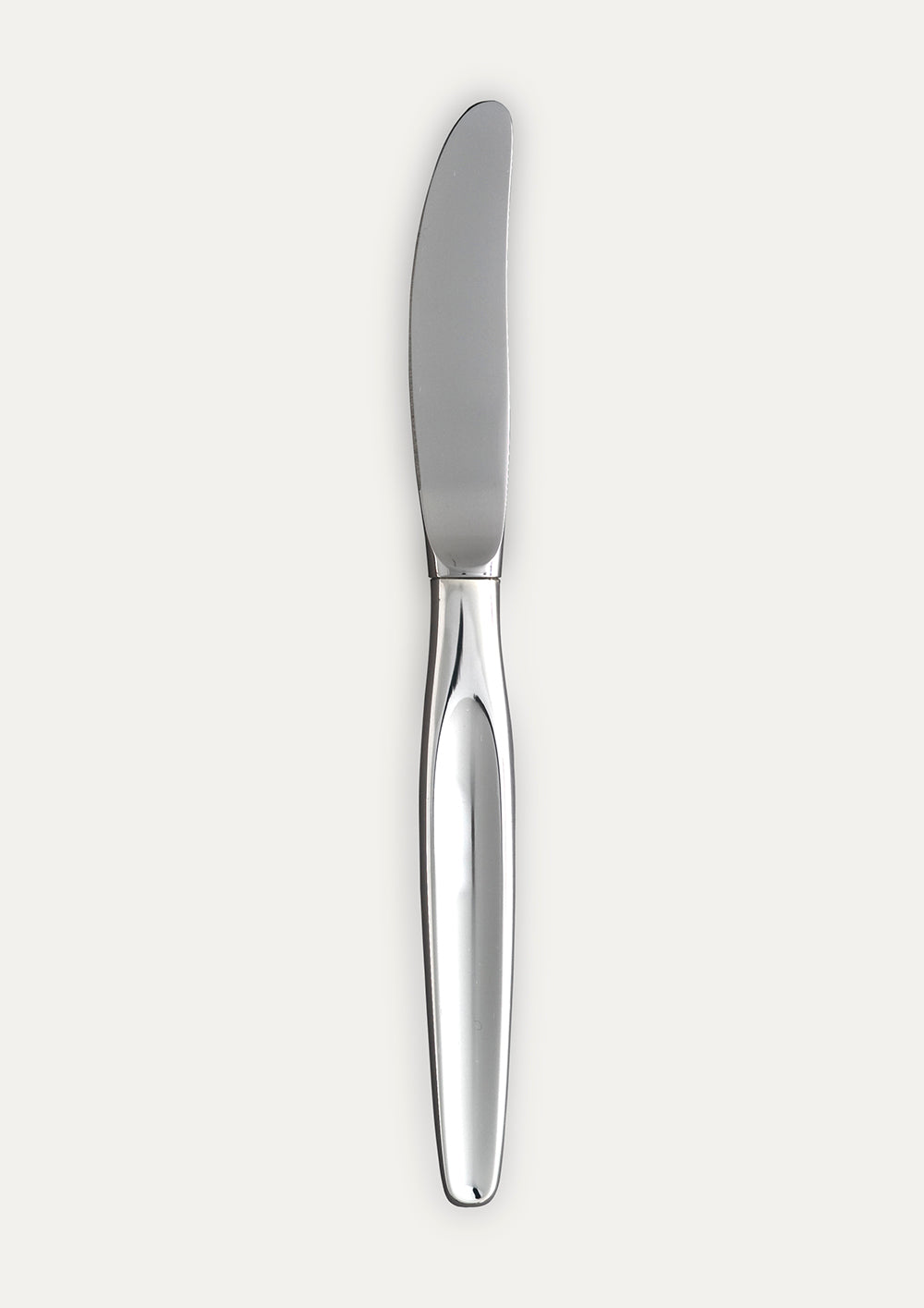
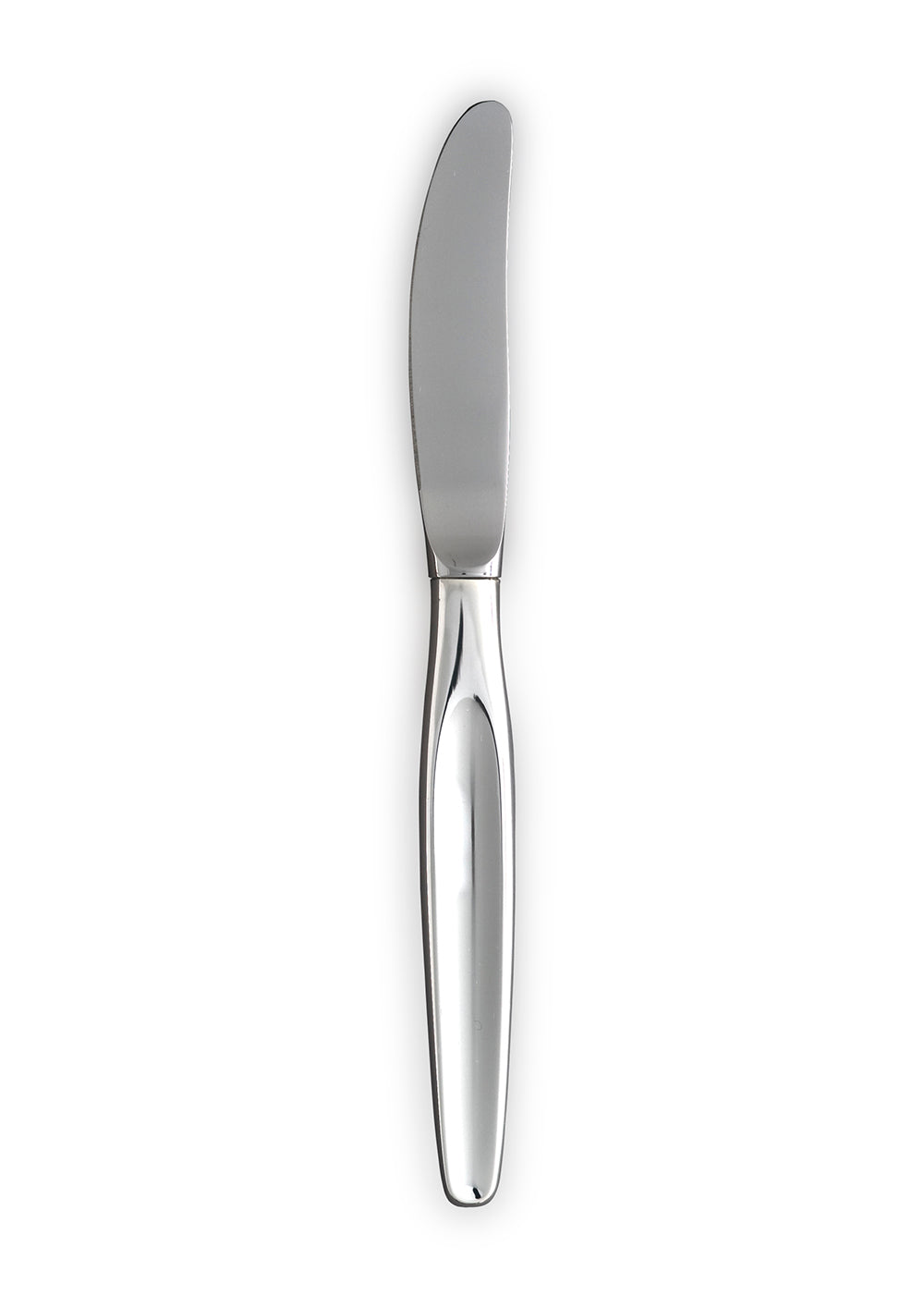
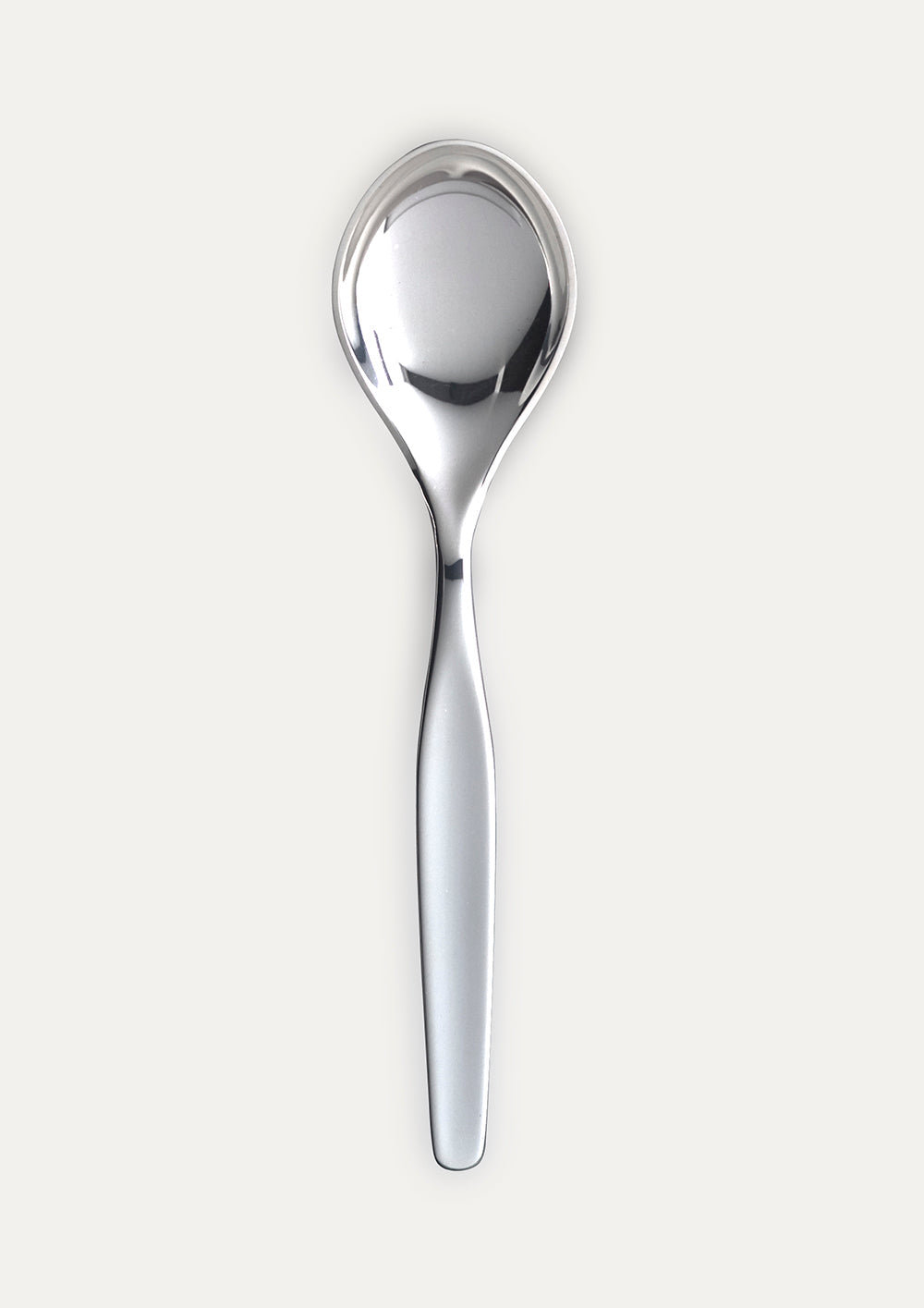
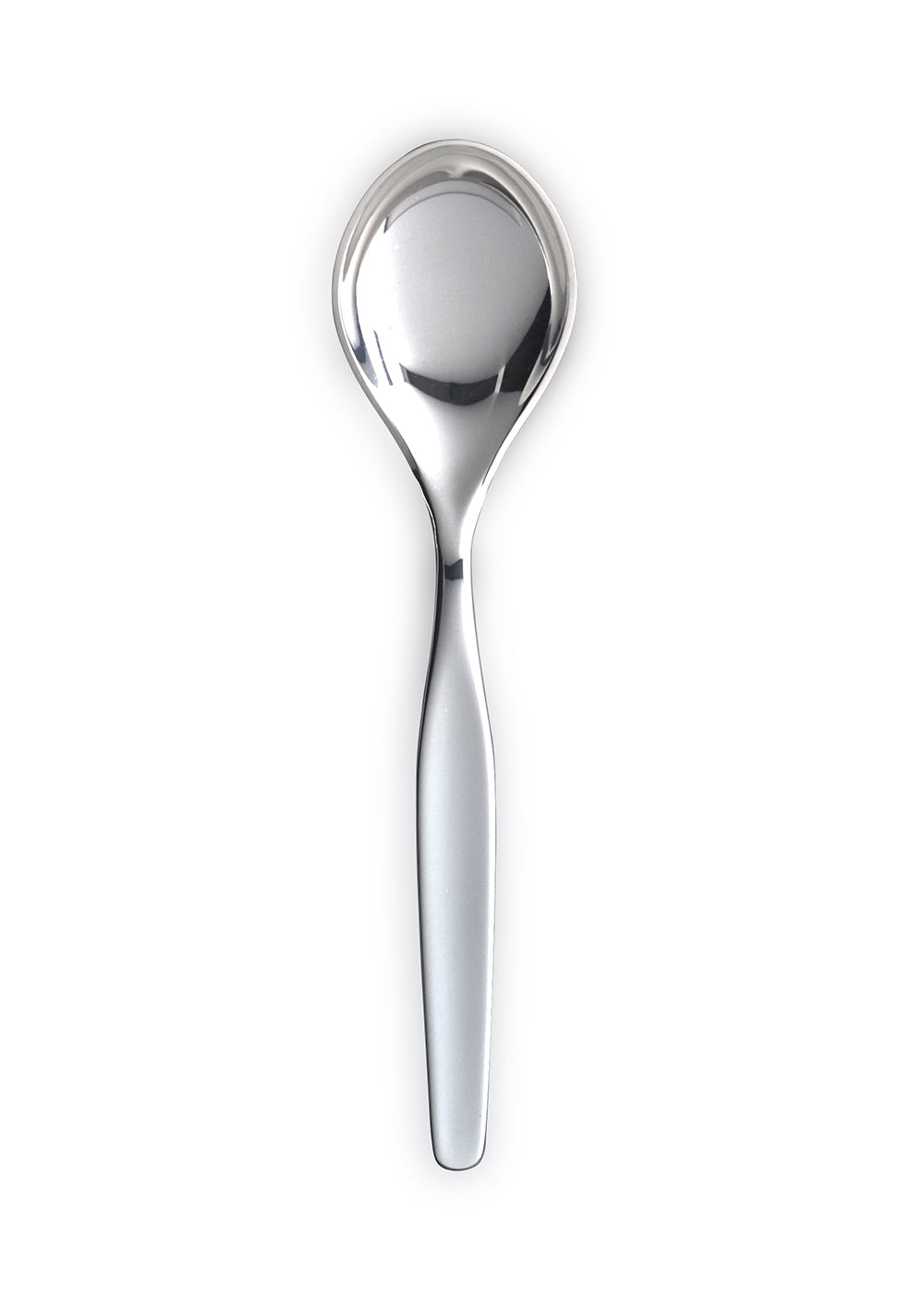
Silver cutlery
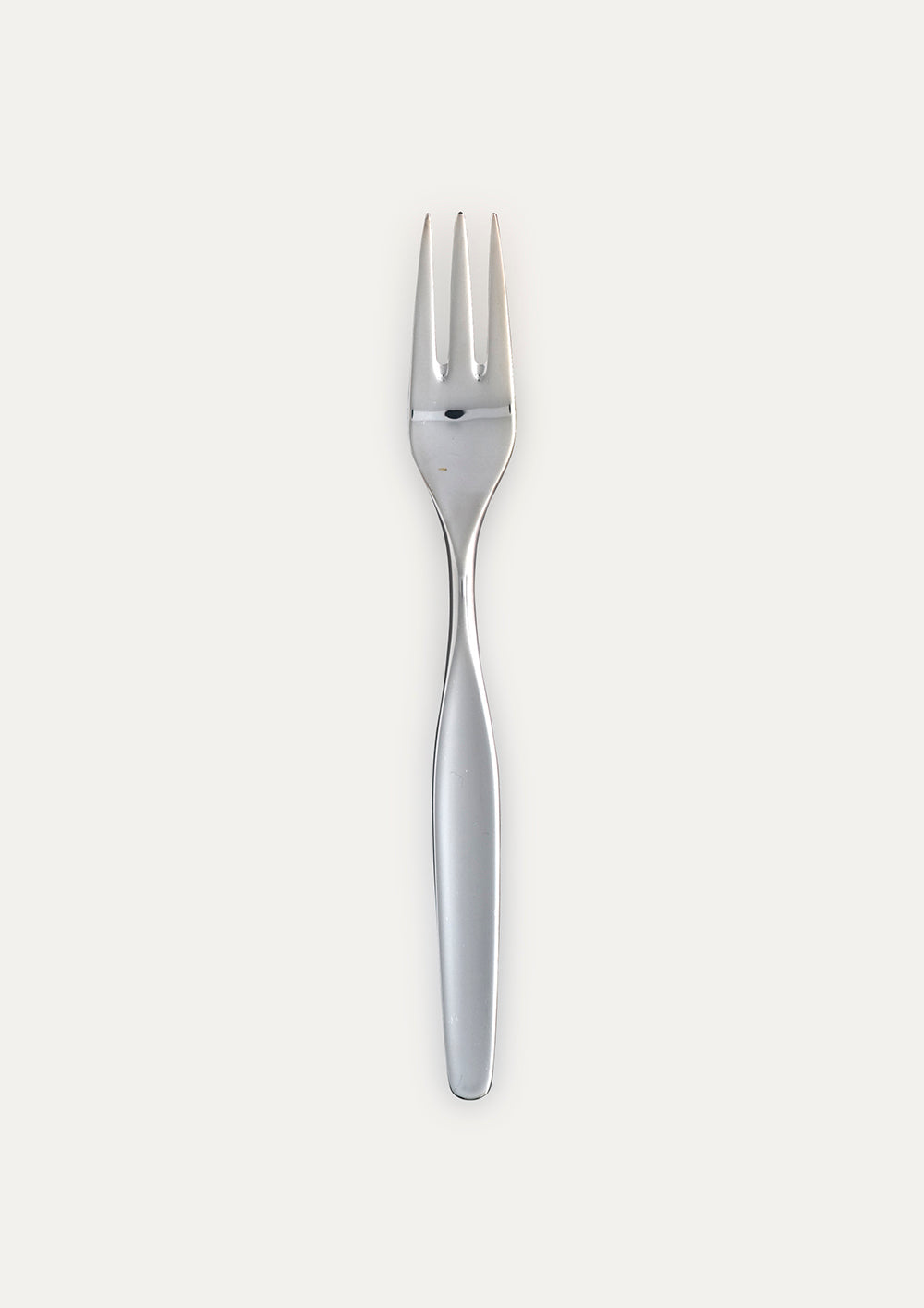
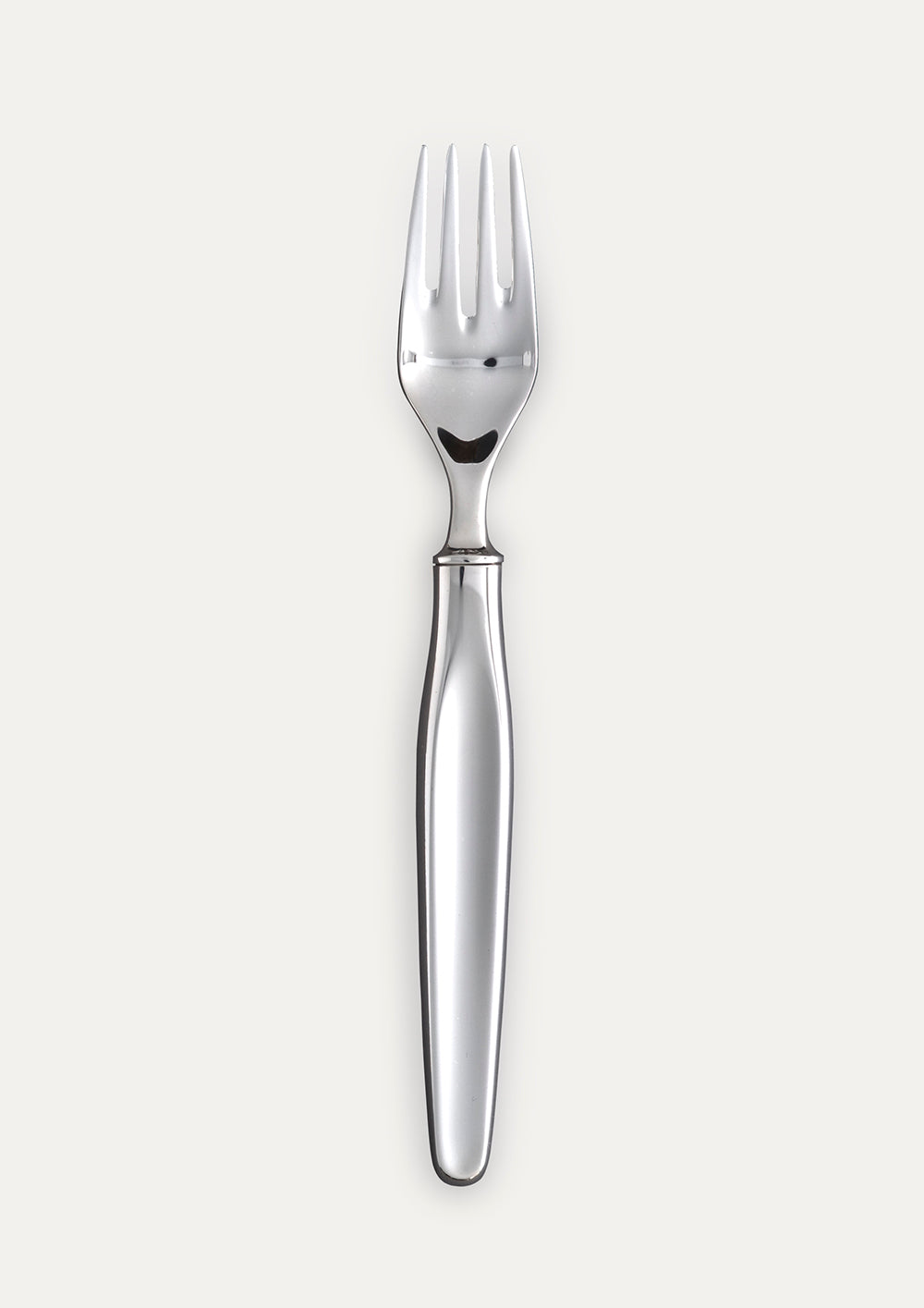
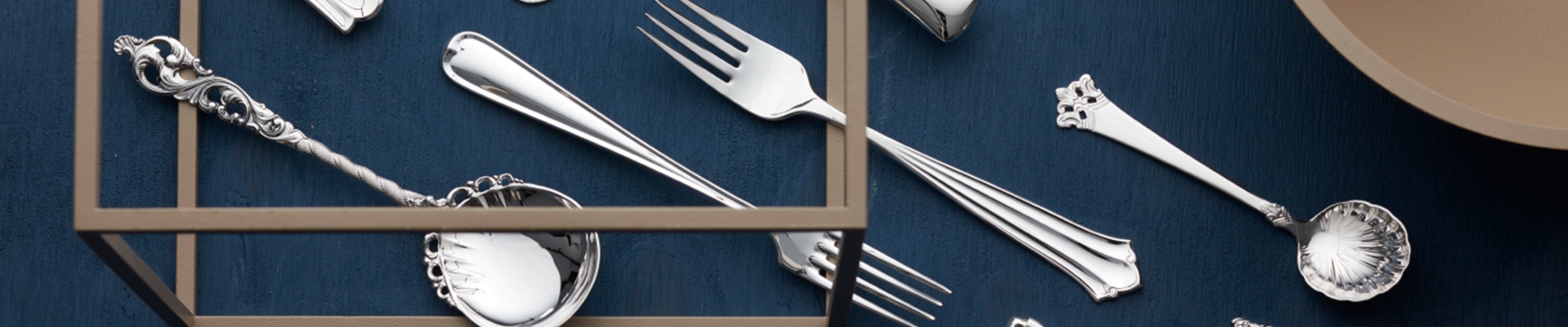
How to store
The silver cutlery
Proper storage means you need to polish less often.
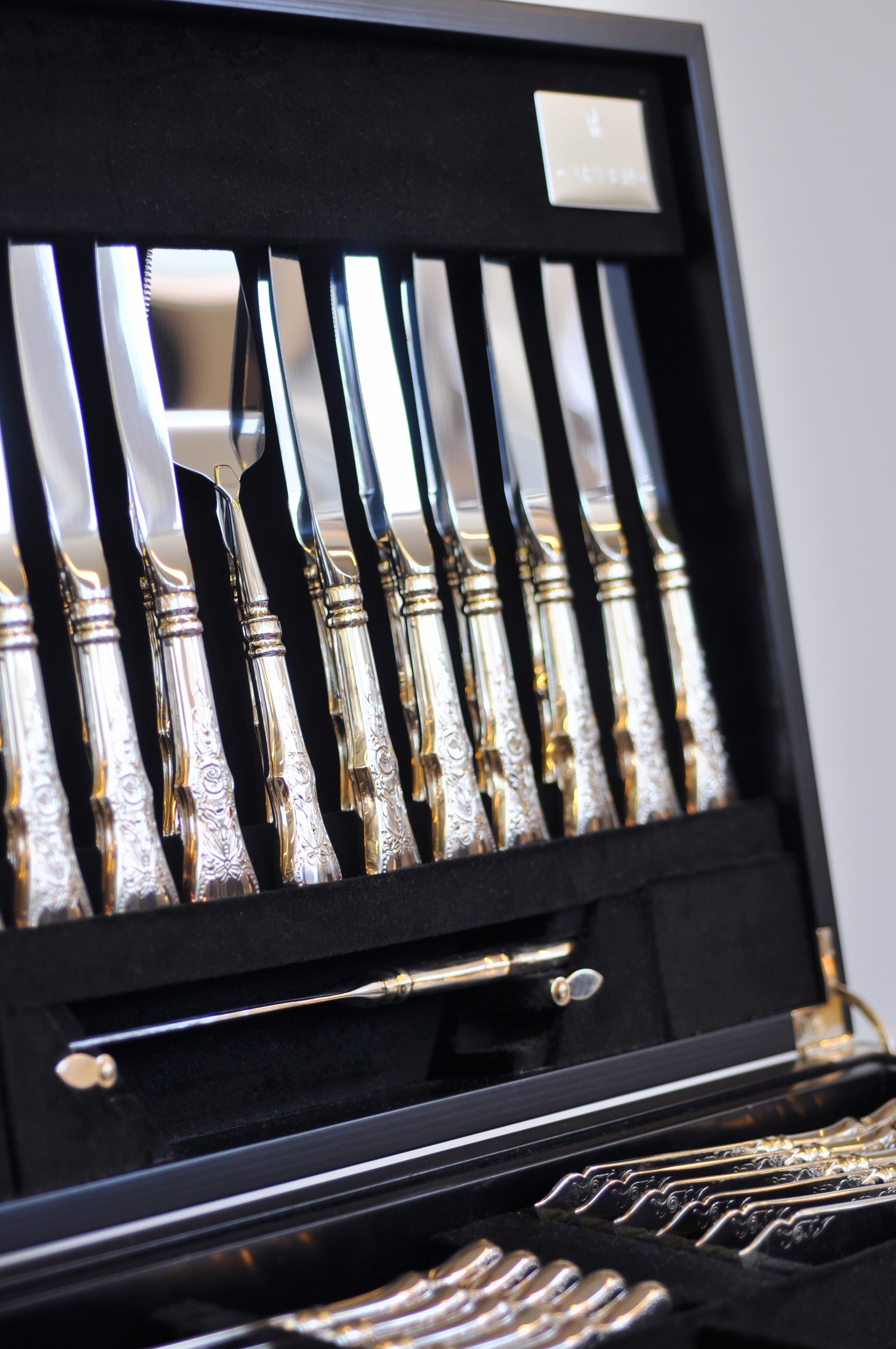
- Store silver in a dry and dark place, preferably in a cutlery box or a bag made of anti-tarnish fabric
- Do not leave silver cutlery out in humid rooms
- Keep silver separated from other metals
- Use it, preferably often. Silver that is in use tarnishes more slowly
With a little regular care, silver cutlery will stay beautiful for generations. Use it often, wash it by hand, dry it well, and use a polishing agent designed for silver when needed. If you are unsure whether the cutlery can withstand polishing, it is always safe to ask a jeweler first.
We're happy to help!
Come by Arven
Our store at Sandbrogaten 11 is open until May 16th – so you can find your favorites for Norway's Constitution Day. Come visit us, and we'll help you.
Get inspired!

The Four Cs | How to evaluate a diamond
Are you planning to buy a diamond – for an engagement ring, a pendant, or just for yourself? You will quickly encounter four words: carat, cut, clarity, and color. Here, we explain what they mean a...
Read more
Popular Christmas gifts | for him
Looking for a Christmas gift for him? See four popular gift ideas from Arven: rings, bracelets, necklaces, cufflinks and personalized engraving, crafted by goldsmiths in Bergen.
Read more
Christmas gifts | give a gift that lasts
Looking for a Christmas gift that lasts? See Arven's Christmas gift guide for 2026 featuring gold and silver jewelry, pearls, vintage pieces, and personalized engraving.
Read more