

When buying a ring, earrings, or a necklace, the question quickly arises: yellow or white gold? Both are real gold – the difference lies in what the gold is alloyed with, and this affects both the appearance, maintenance, and the style of the jewelry. Here, we go through the two gold colors, making your choice easier.

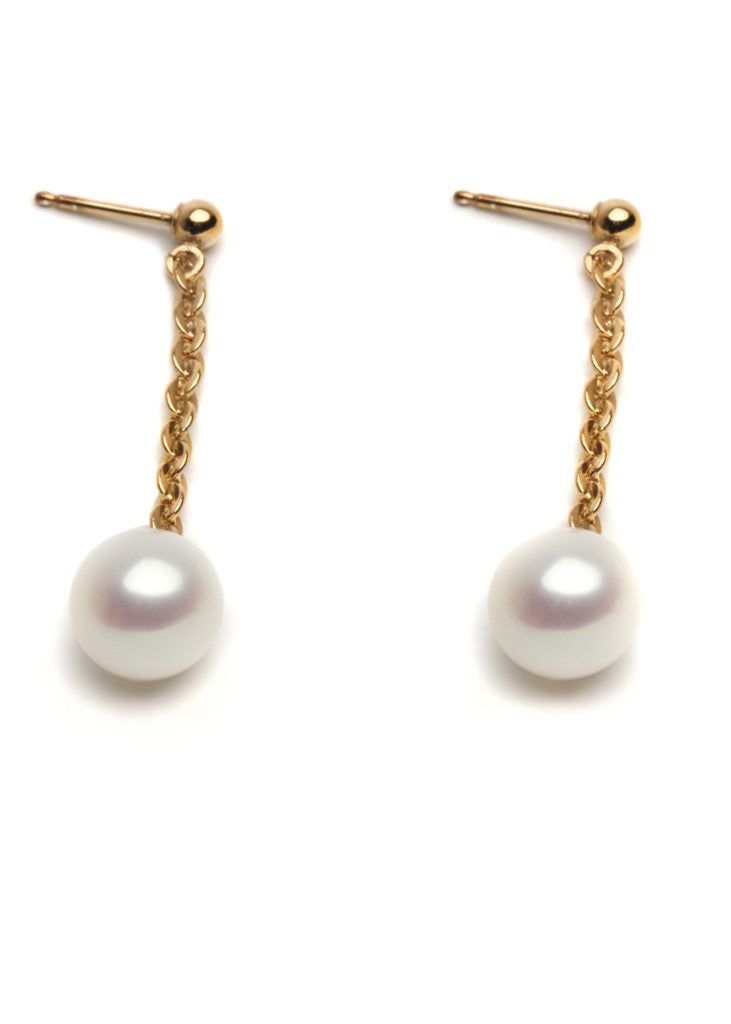
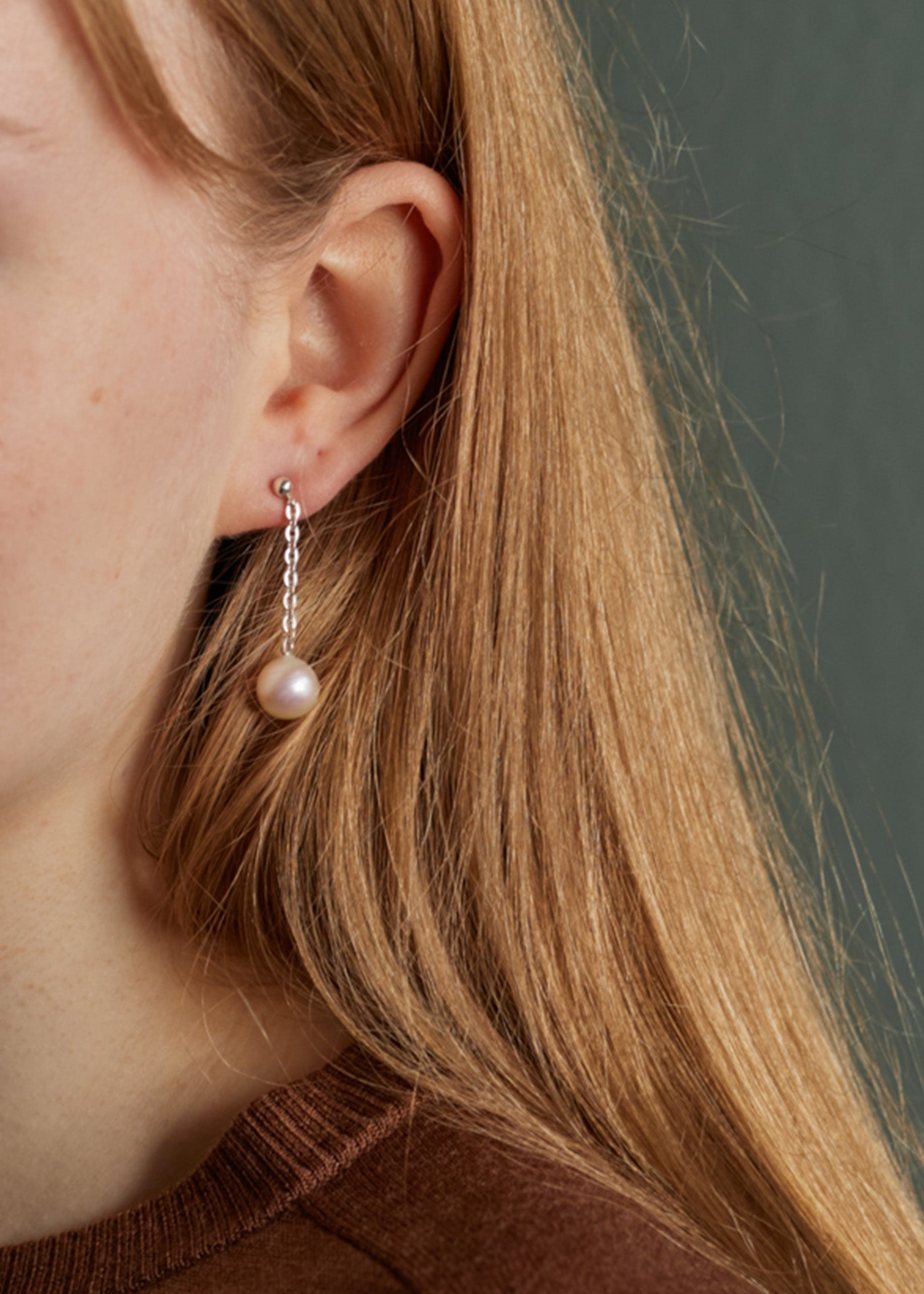
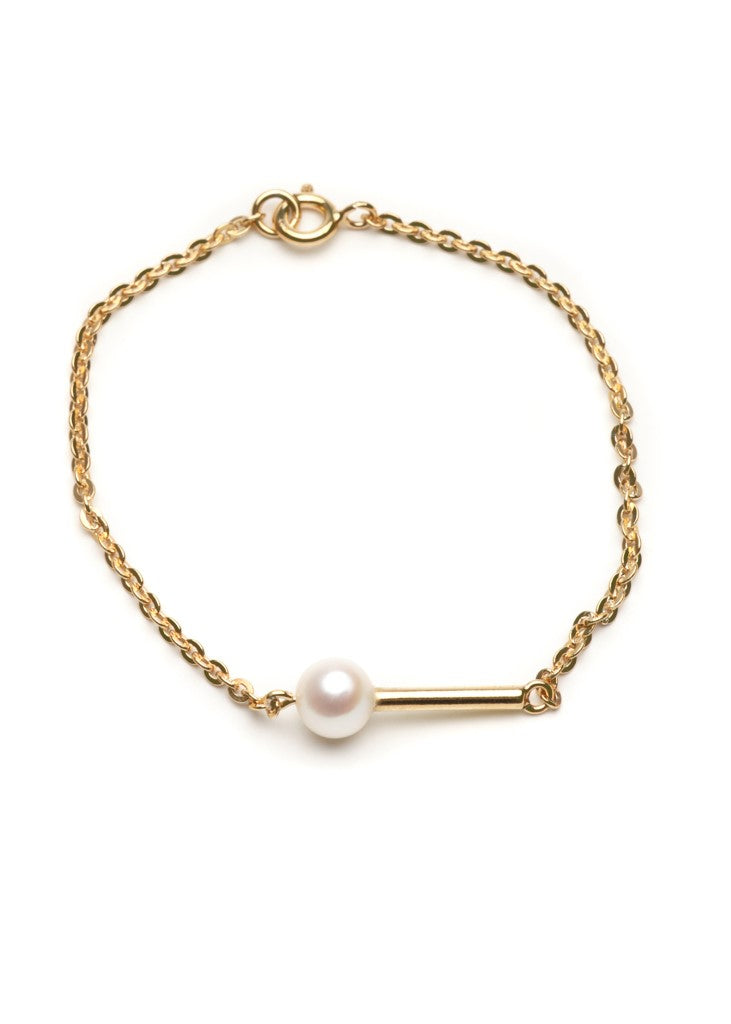
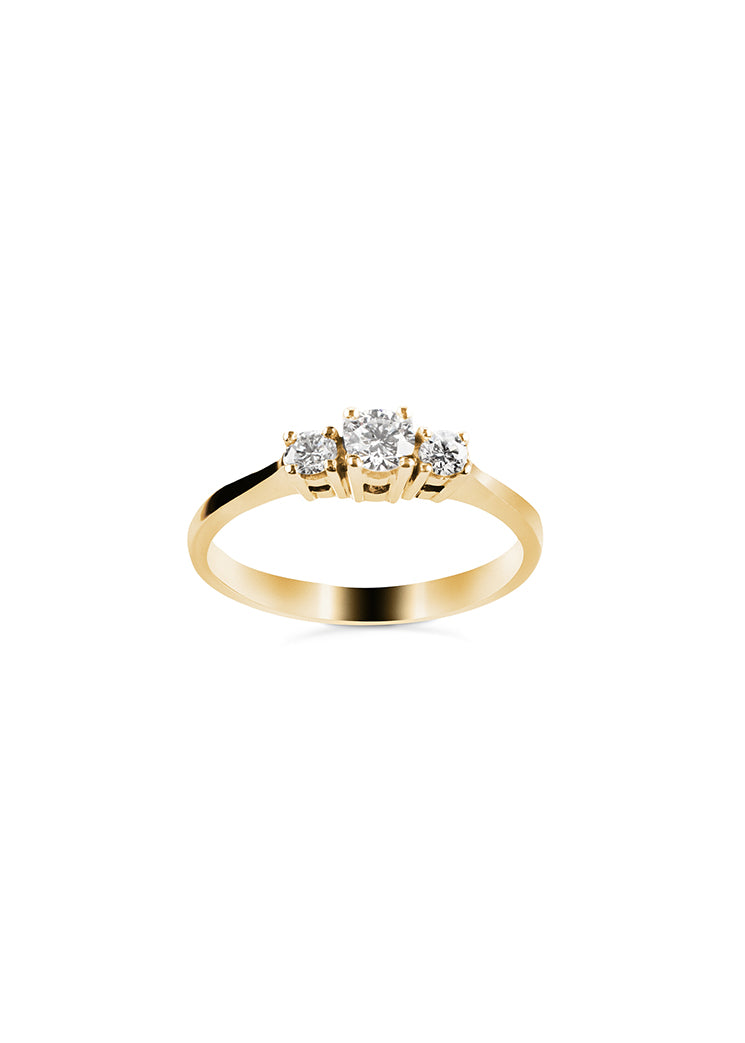
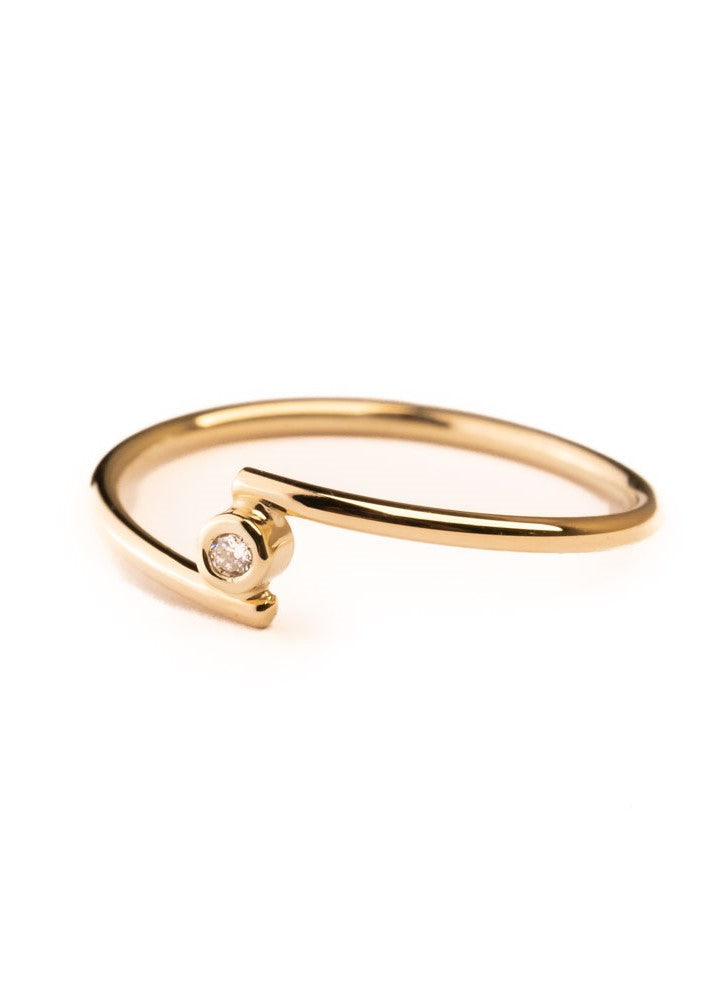
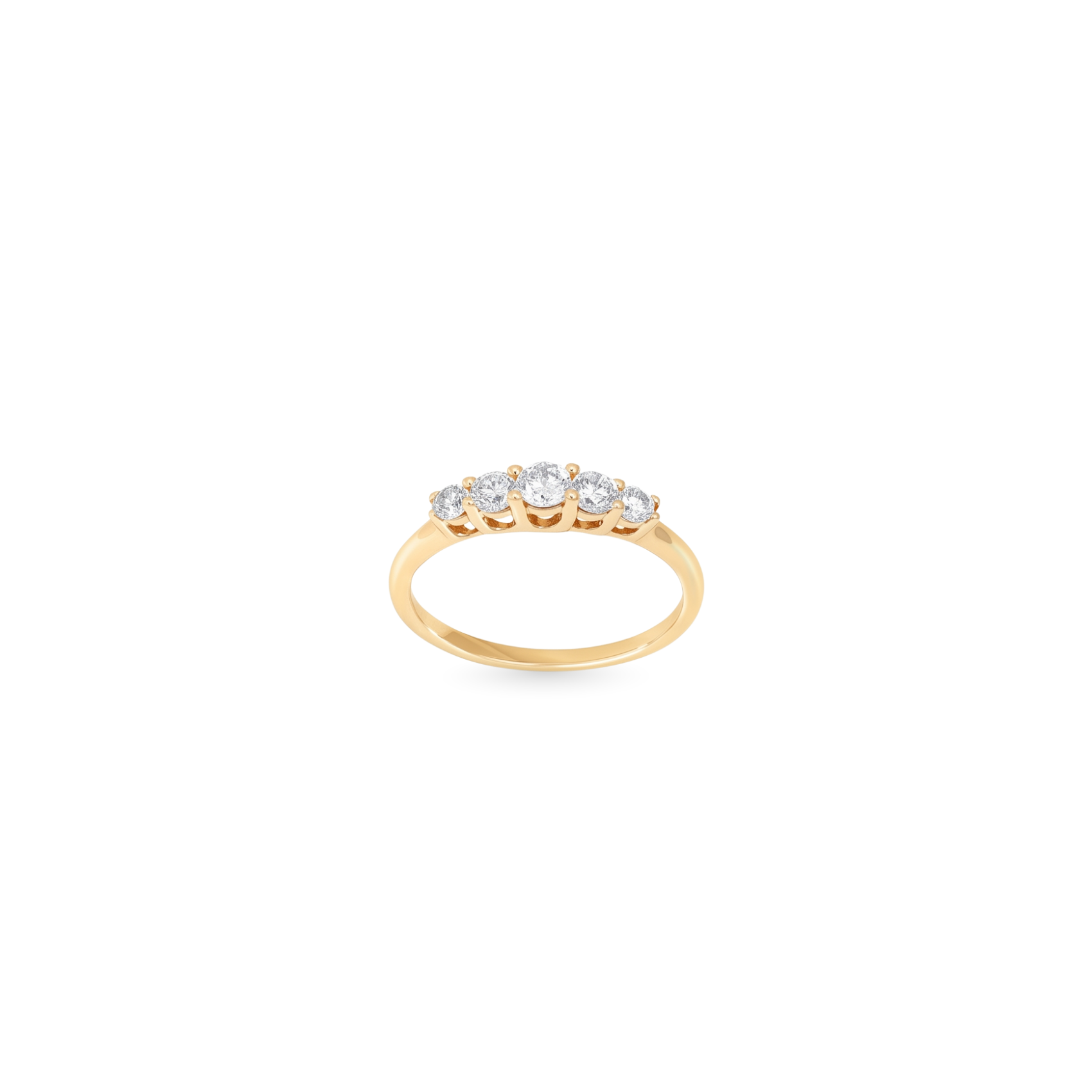
Yellow gold | The classic choice
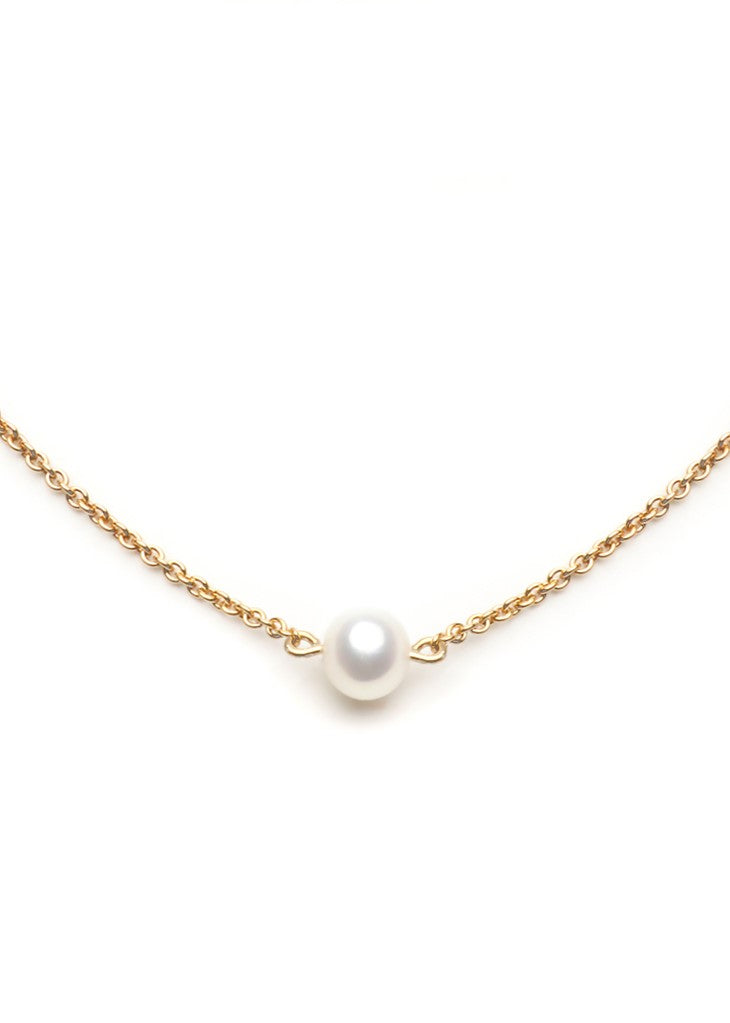
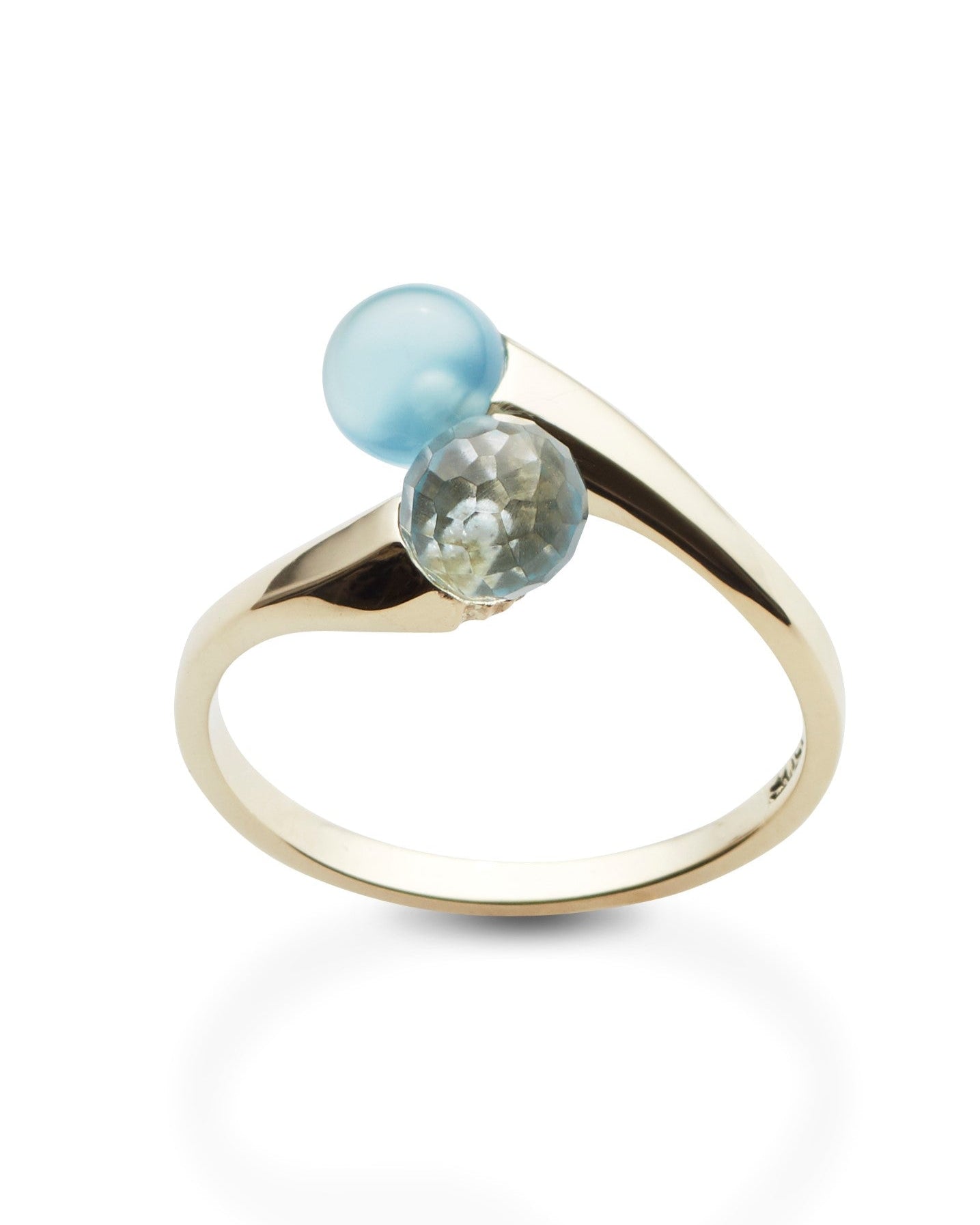
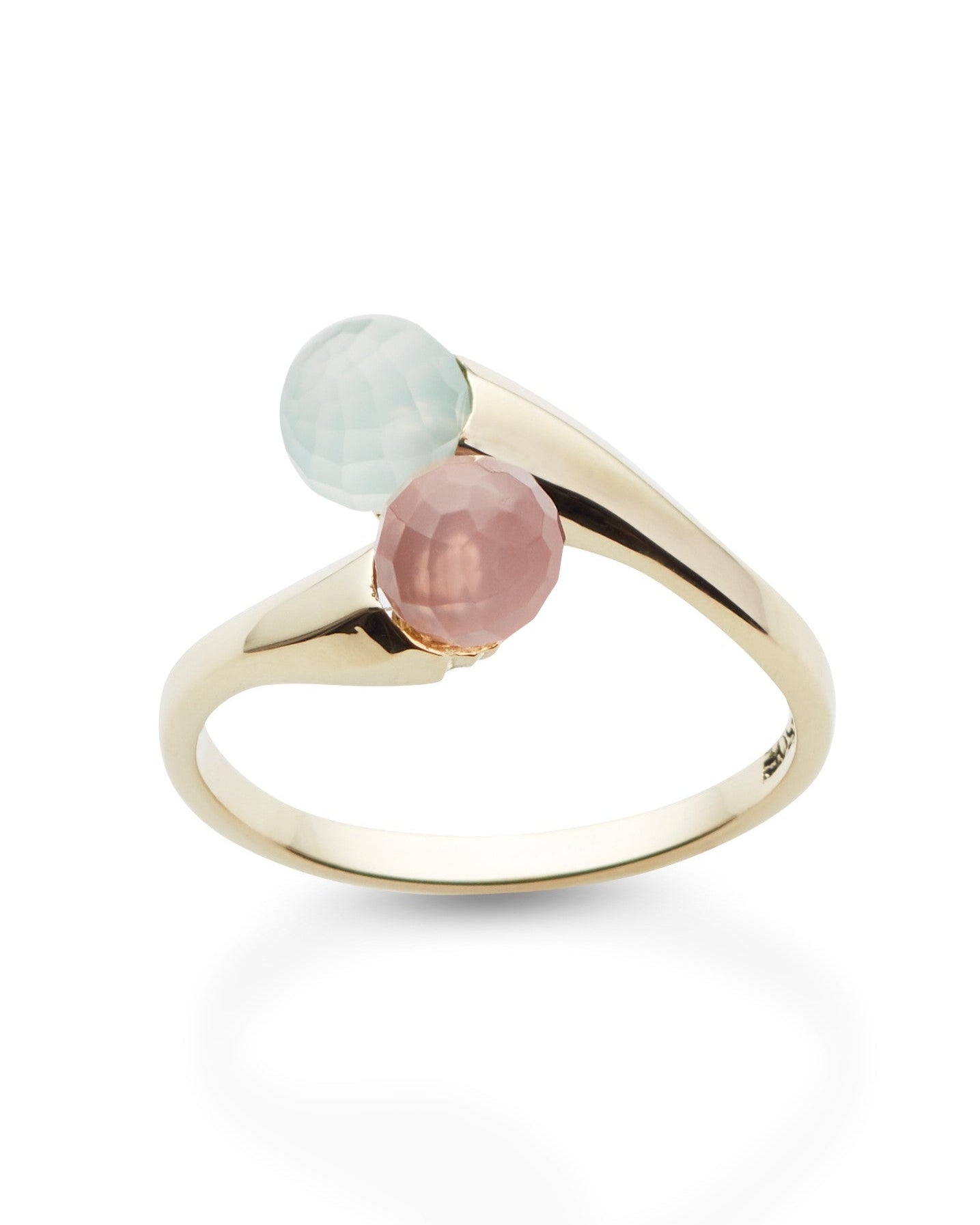
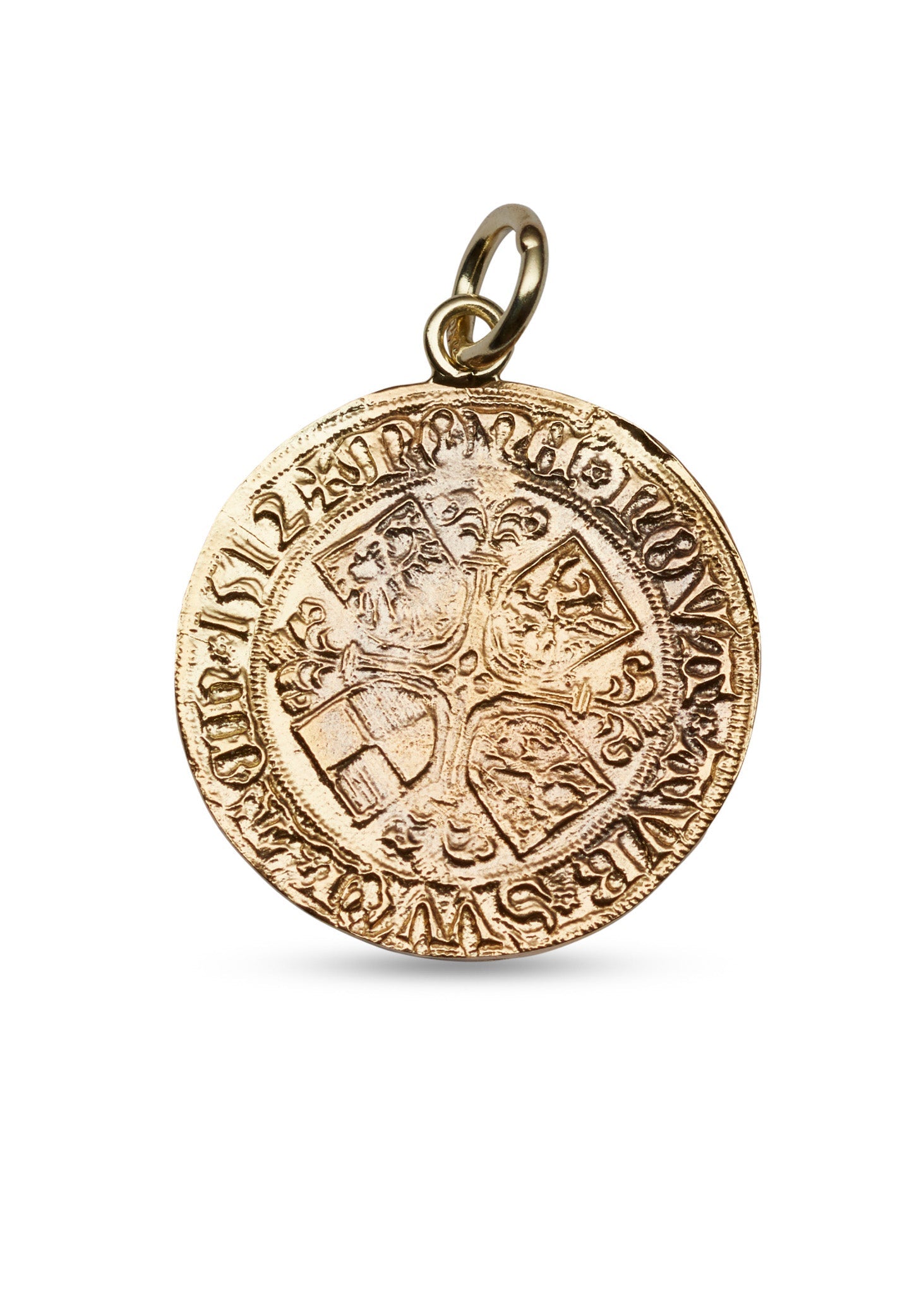
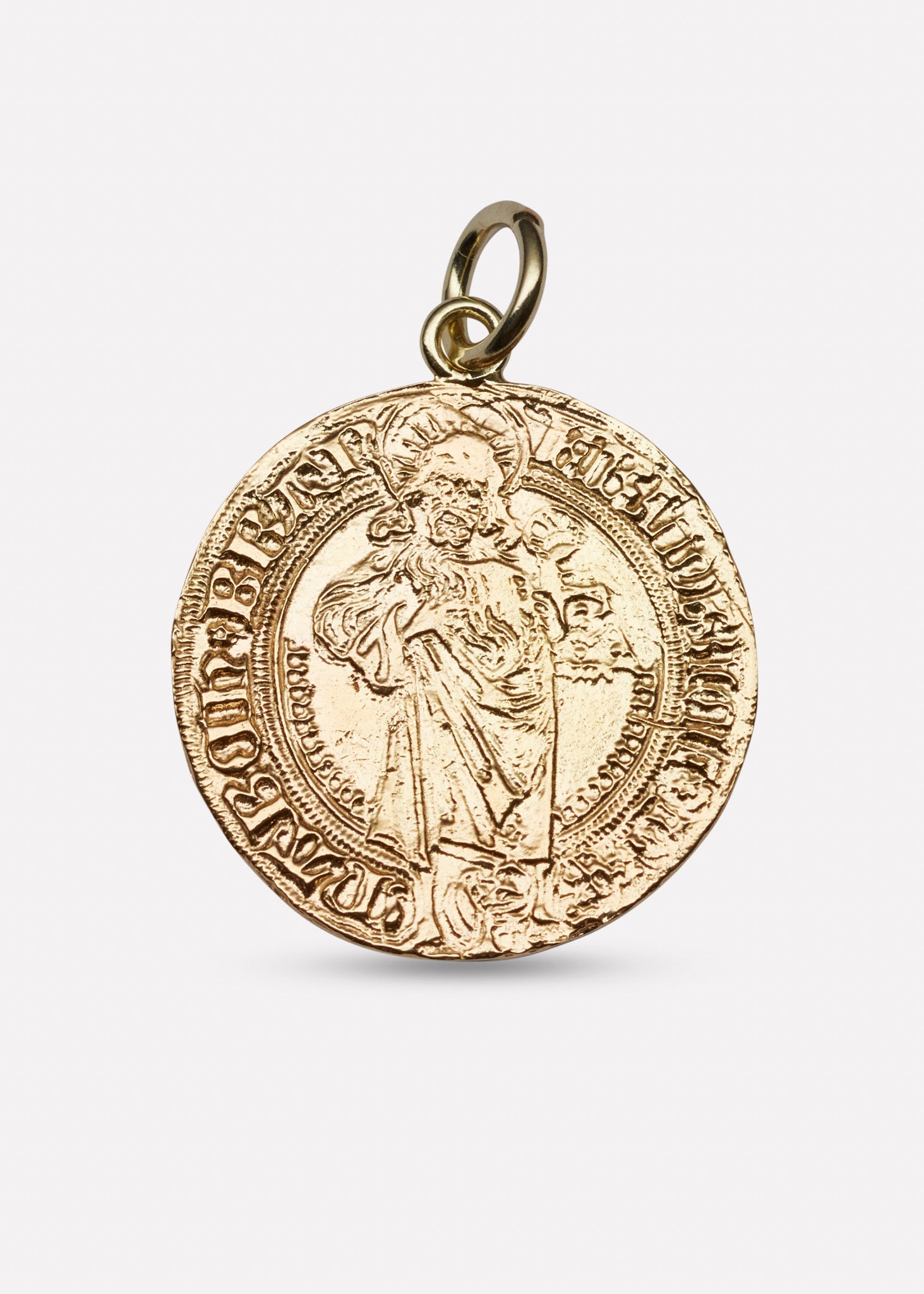
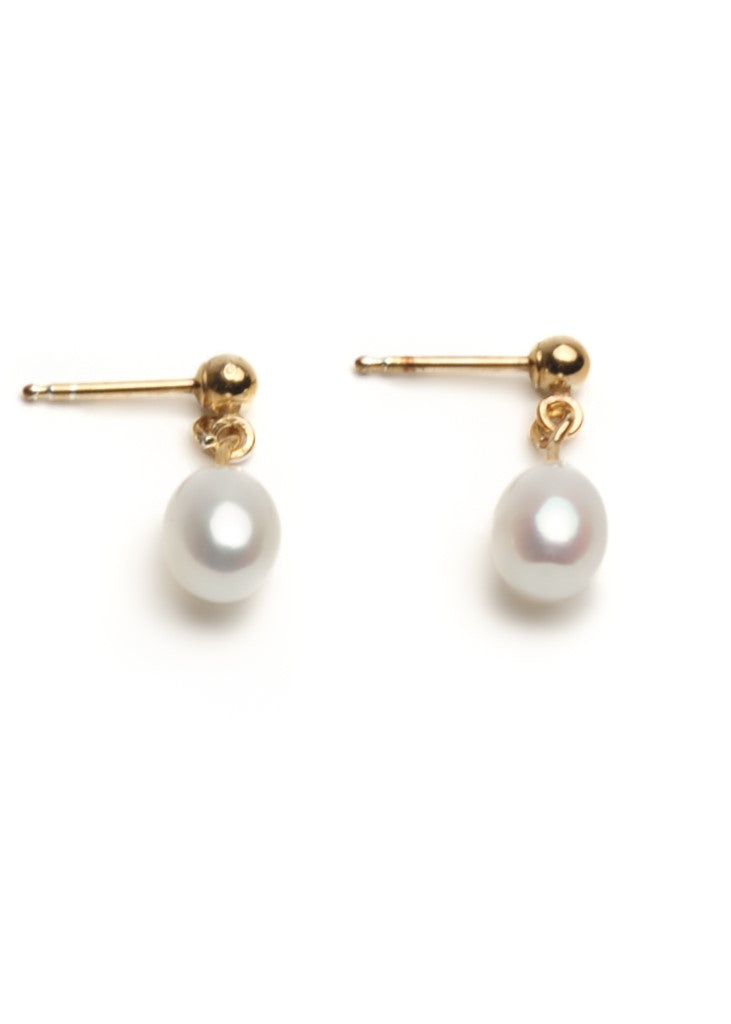
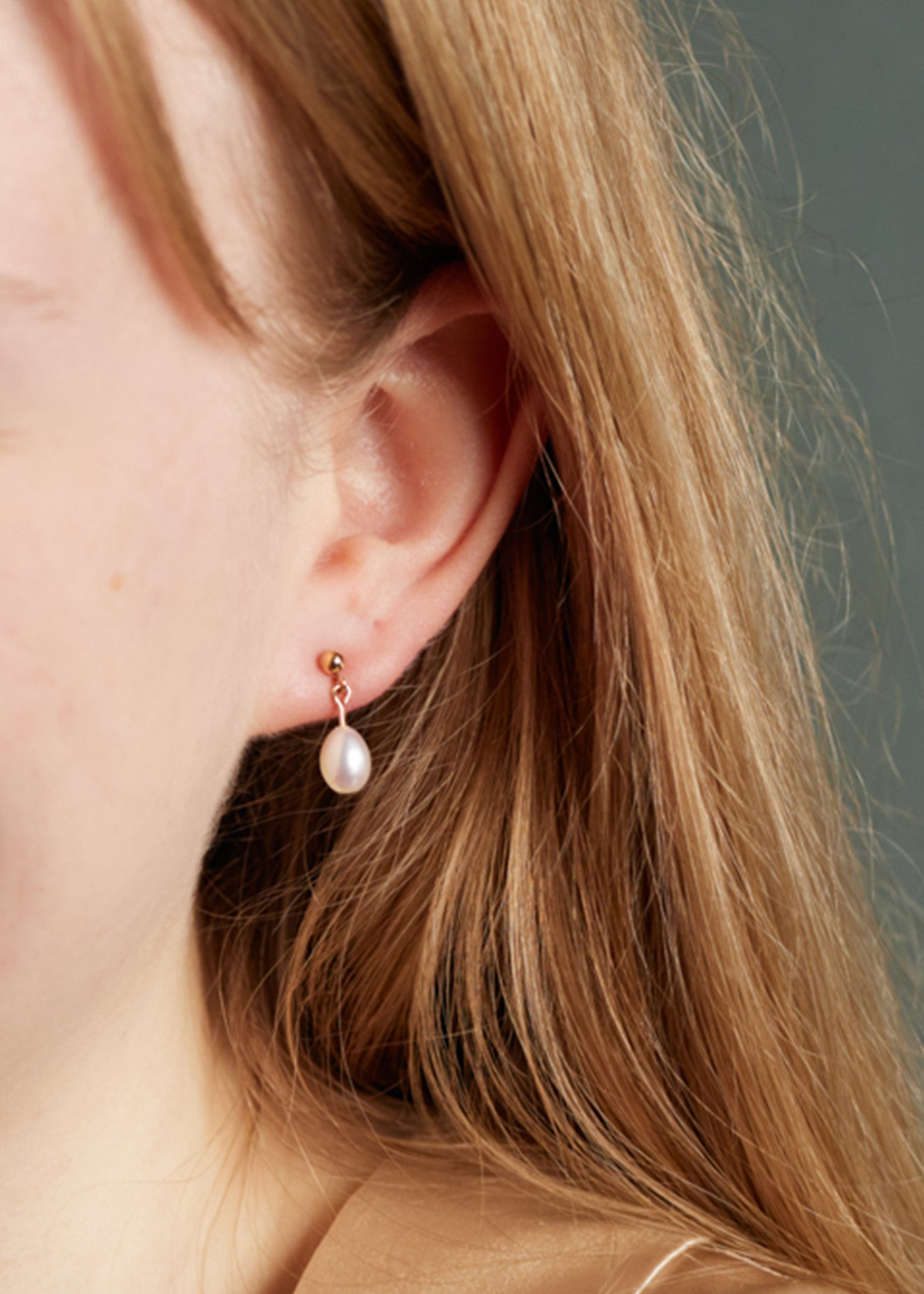
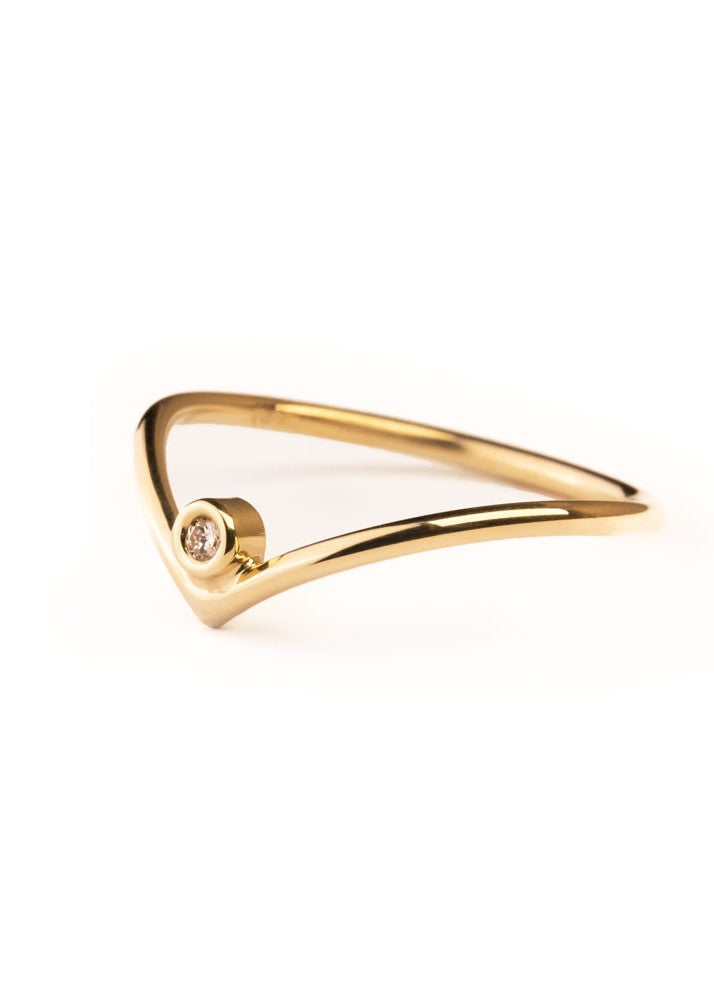
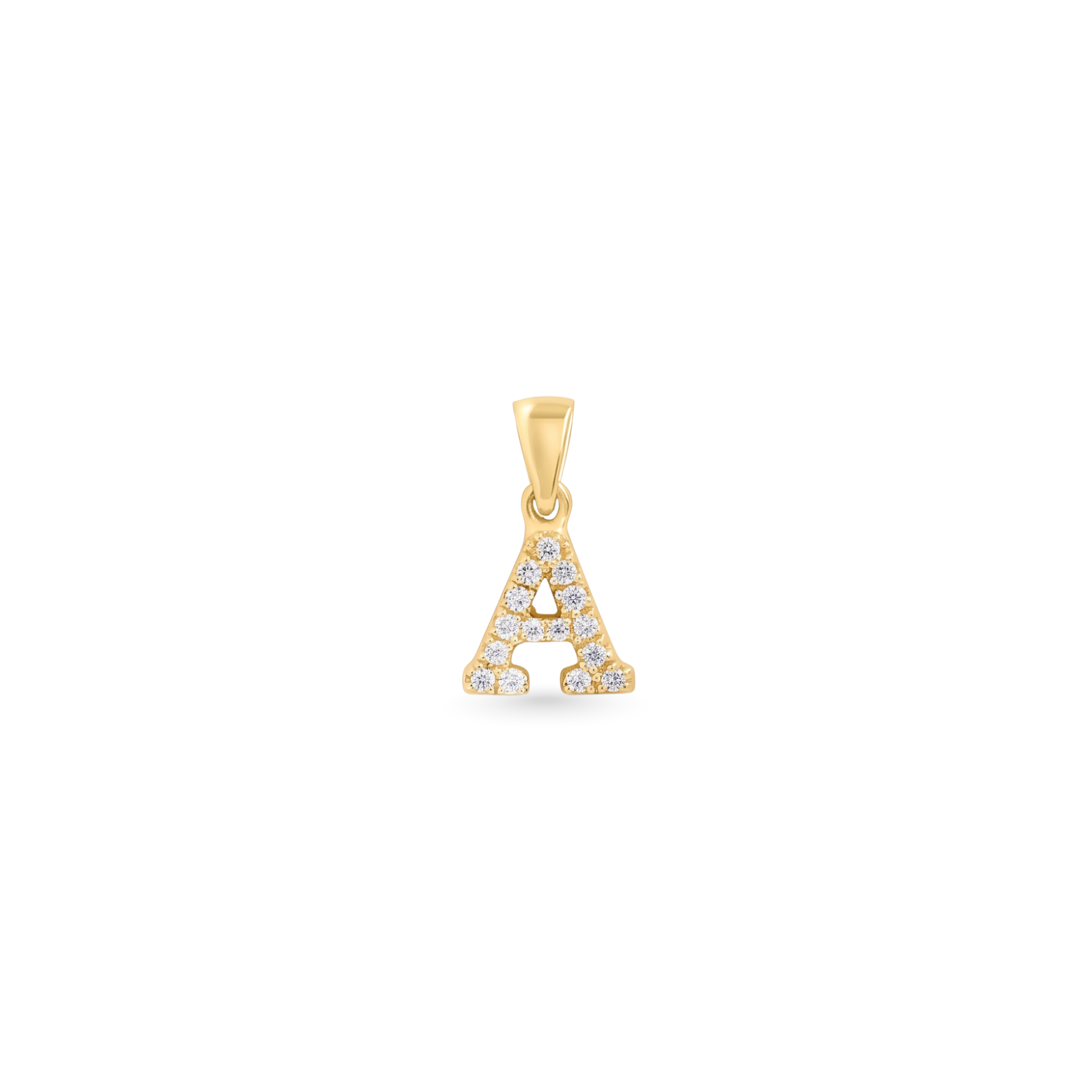
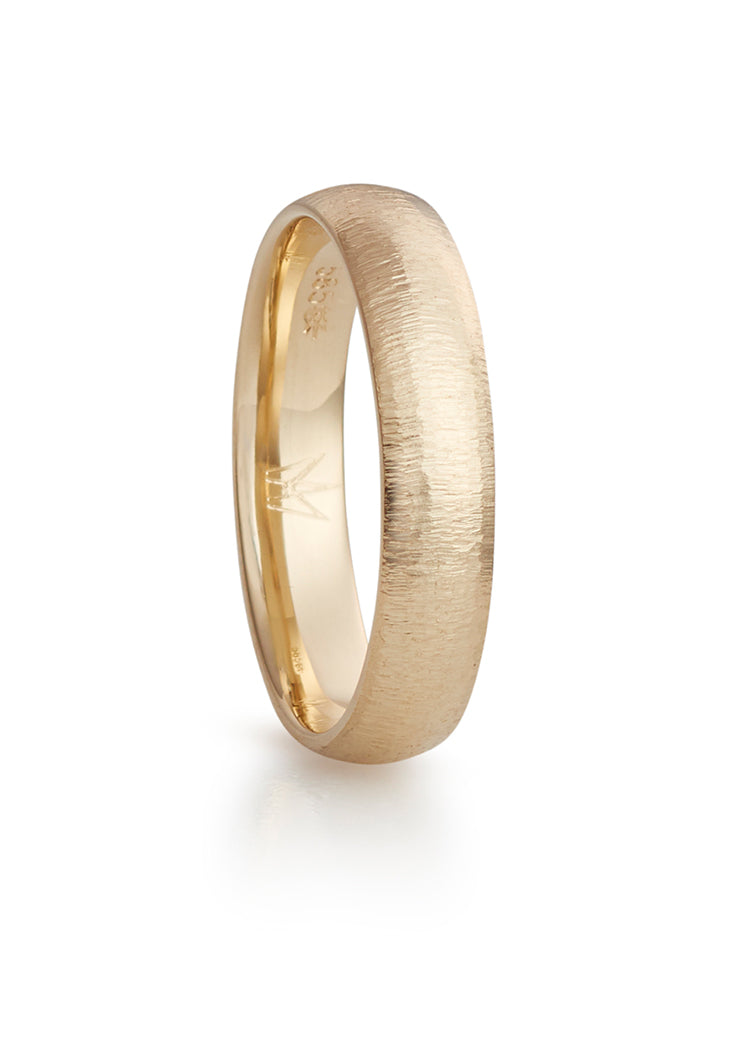
Yellow gold is gold in its most natural form, alloyed with copper and a little silver to withstand daily wear. The color is warm and golden, and the higher the carat (for example, 18 carat versus 14 carat), the more intense the gold tone, because the proportion of pure gold is higher. People who suit yellow gold usually have a skin tone and color palette that also harmonize well with other warm and earthy tones. Yellow gold has a warm, golden undertone, so it pairs particularly well with colors that also have warmth in them.
They often thrive in warm shades such as cream, ivory, beige, and sand colors, because these emphasize the soft and golden glow without creating harsh contrast. Warm brown tones – like caramel, cognac, and chocolate brown – also work very well, especially in clothing and leather accessories. When it comes to colors that truly "pop" with yellow gold, deep green (like emerald green), burgundy, rust, terracotta, and warm red are very flattering. These are colors that either mirror or balance the warmth in the metal.
Explore yellow gold jewelry


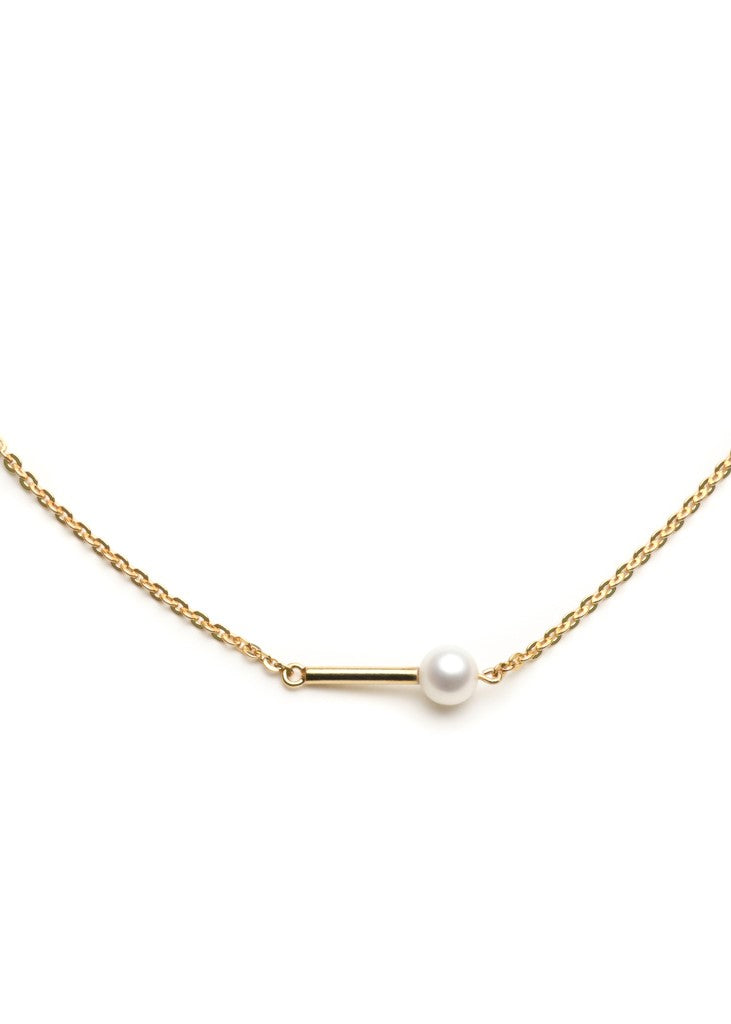
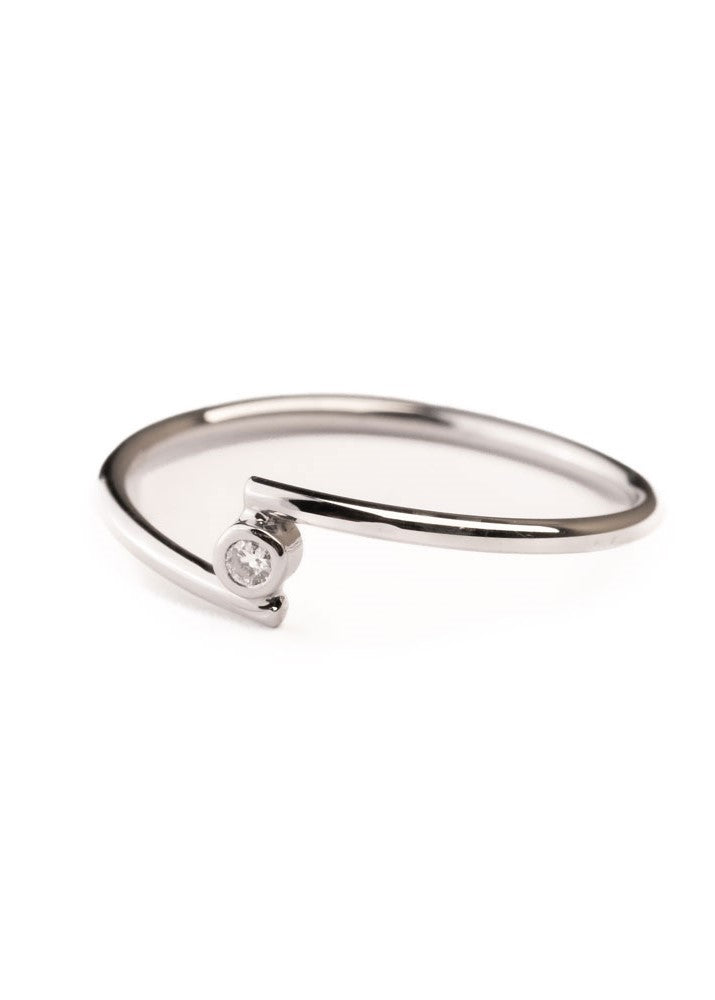
White gold | cool and modern

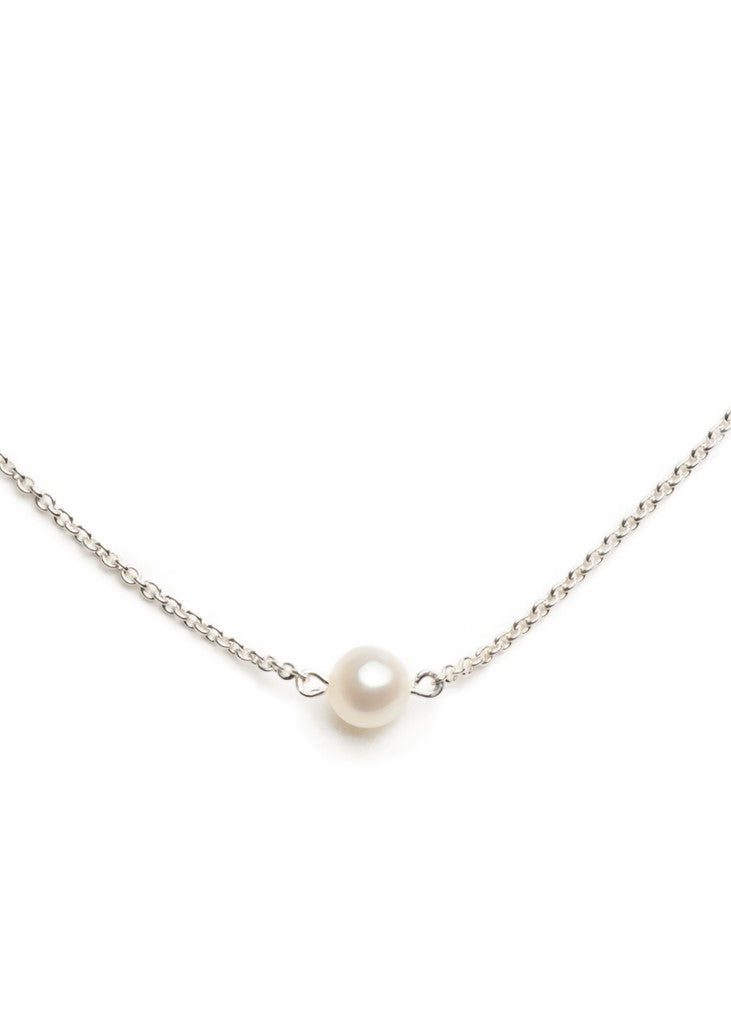
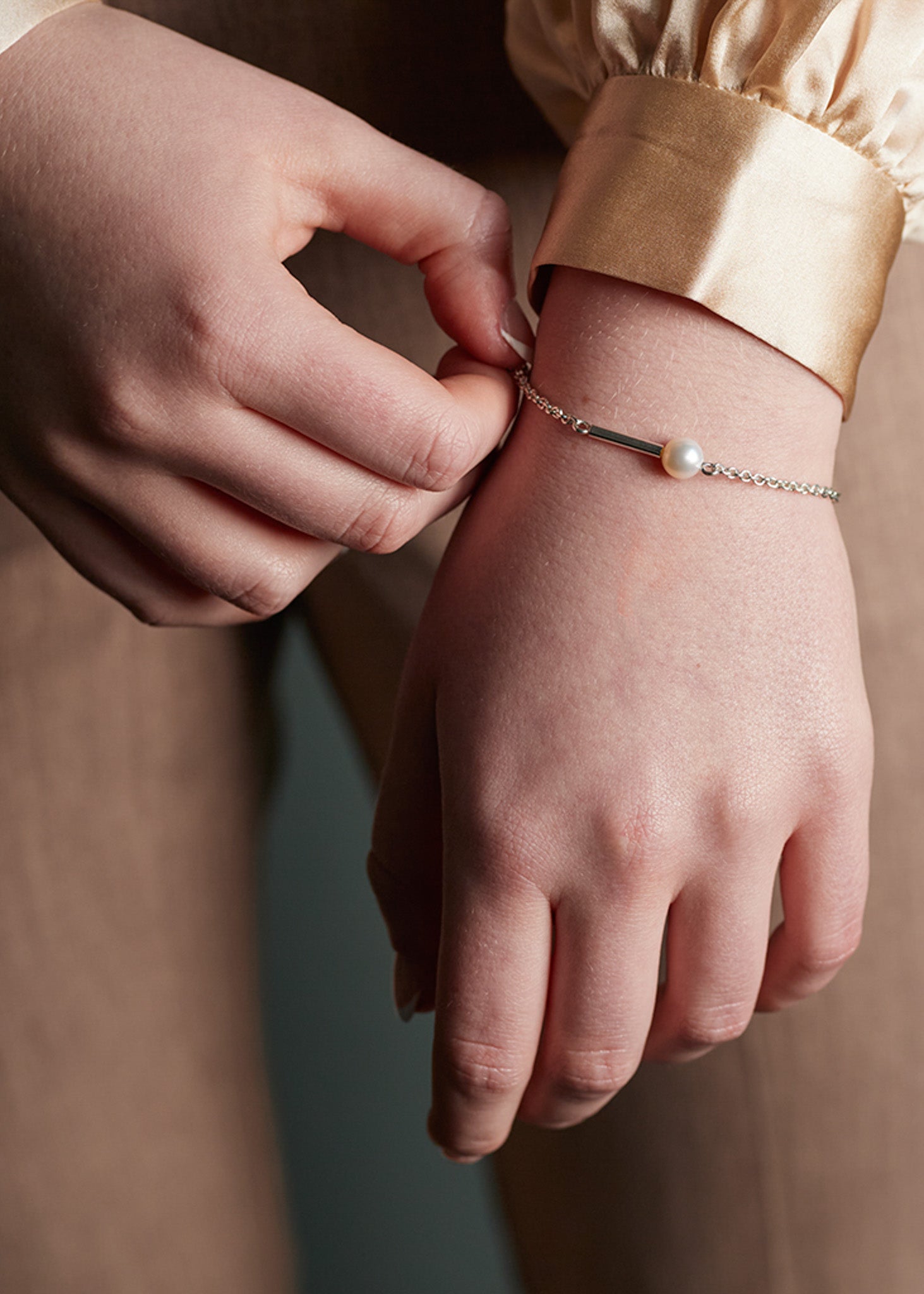
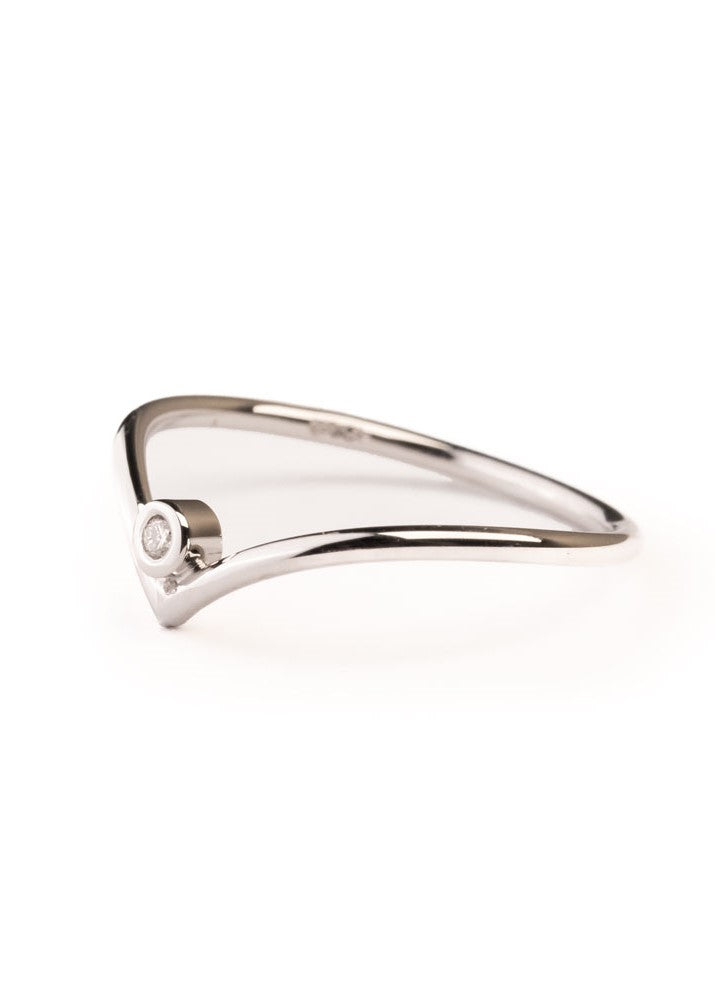
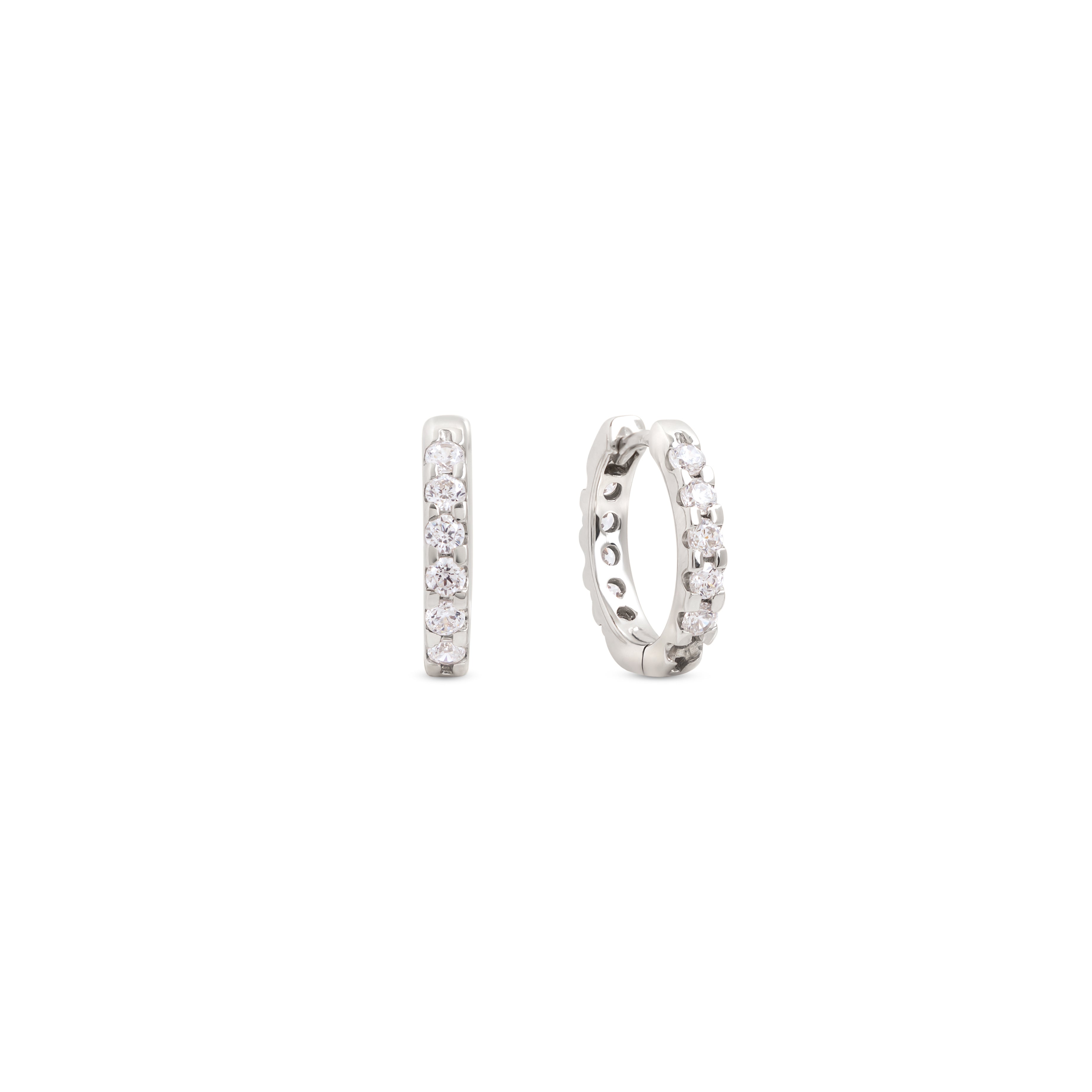
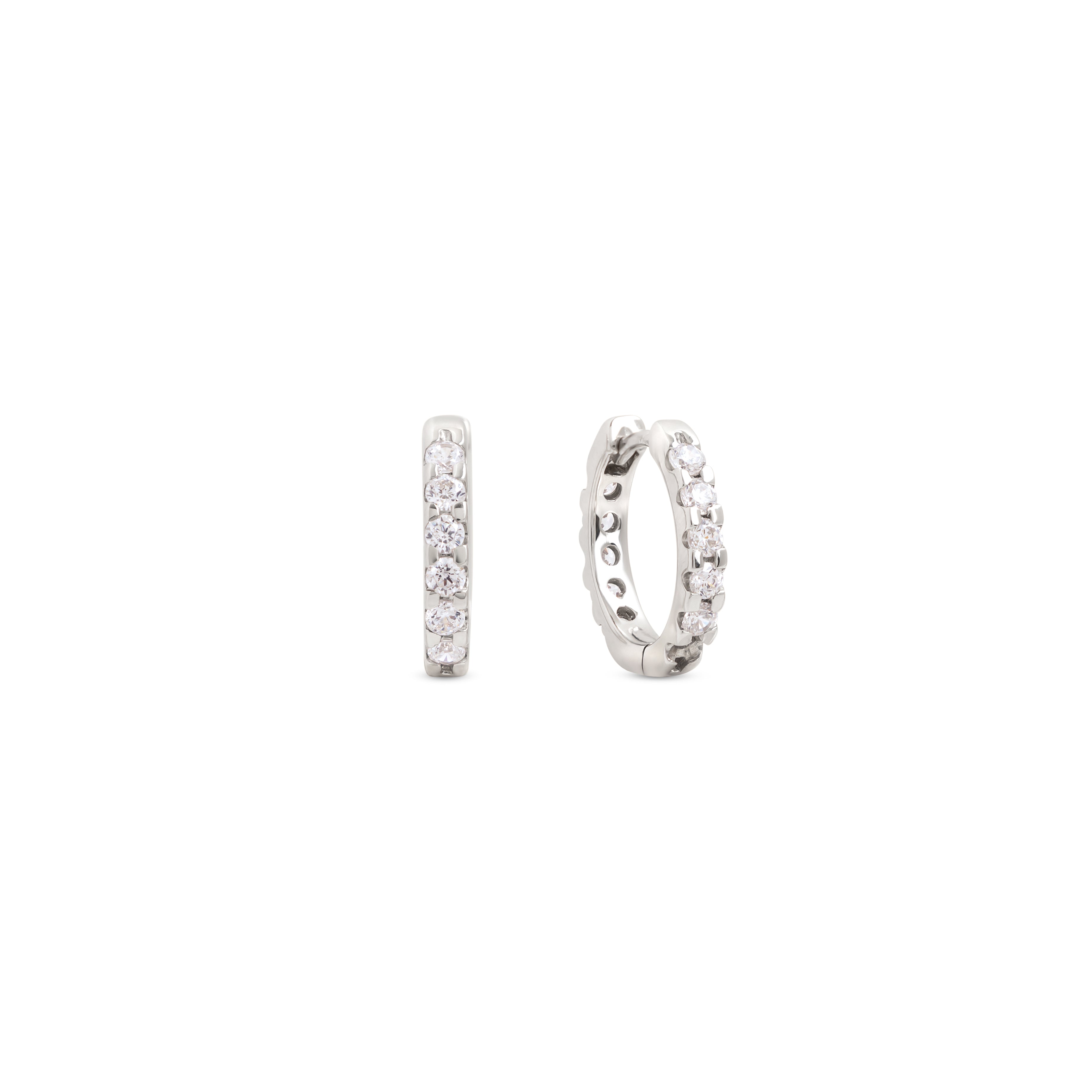
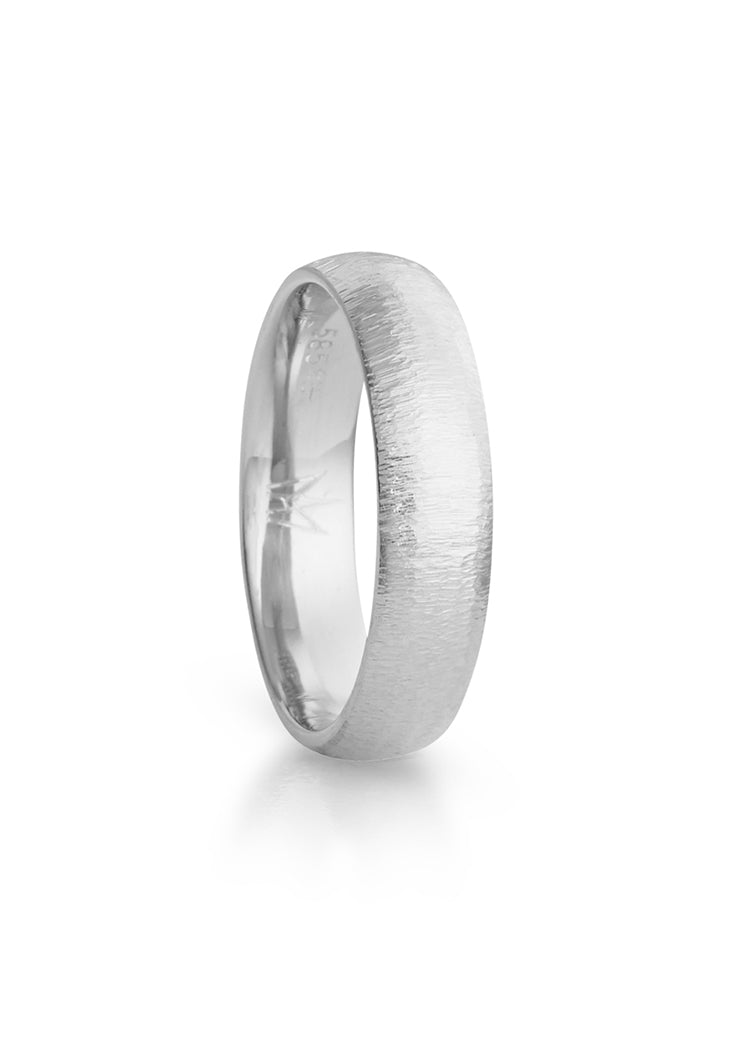
White gold is made by alloying gold with white metals such as palladium or silver. Most white gold jewelry also has a rhodium plating – a platinum metal that gives it the cool, bright shine many associate with white gold. It's worth noting that the rhodium plating can wear off over time, especially on rings worn daily, and the jewelry may then need re-rhodium plating by a jeweler to maintain its luster. On the other hand, modern white gold is primarily alloyed without nickel, precisely to avoid allergic reactions that were more common in older white gold jewelry.
People who suit white gold typically have a cooler or neutral undertone in their skin and overall coloring, and often prefer colors such as white, black, gray, and silver tones. These colors enhance the elegant and clean look that white gold provides, without "clashing" with the metal. In terms of colors, they often work well with cool shades such as ice blue, navy blue, lavender, plum, and dusty pink. These colors harmonize with white gold's cool luster and create a sophisticated, calm look.
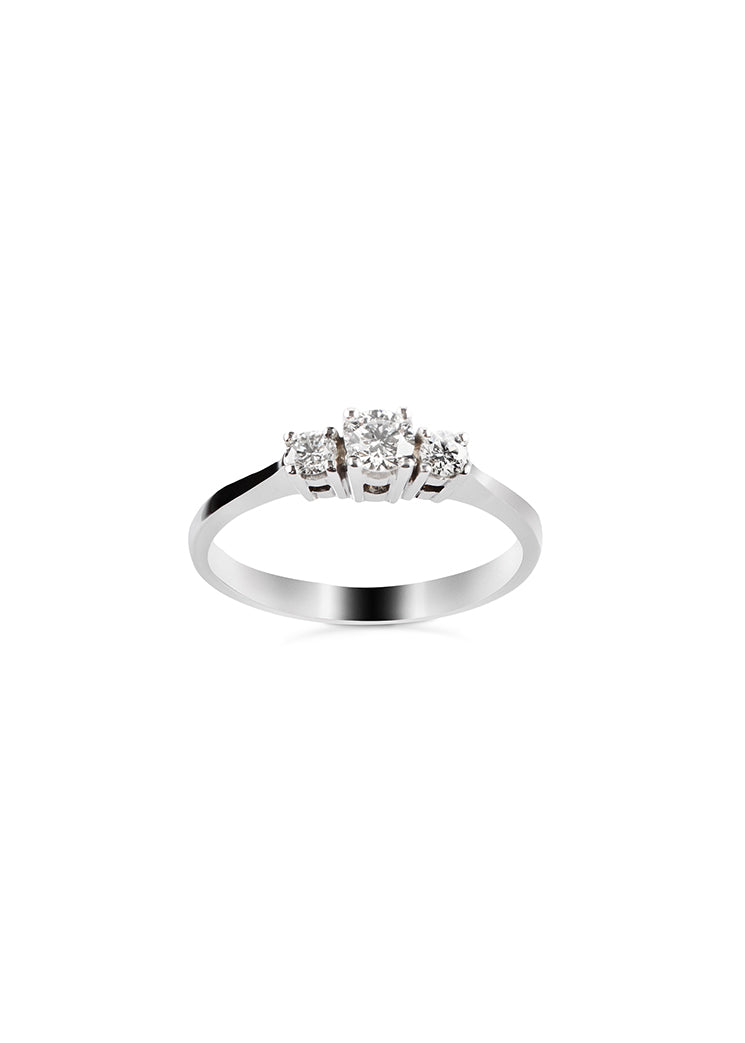
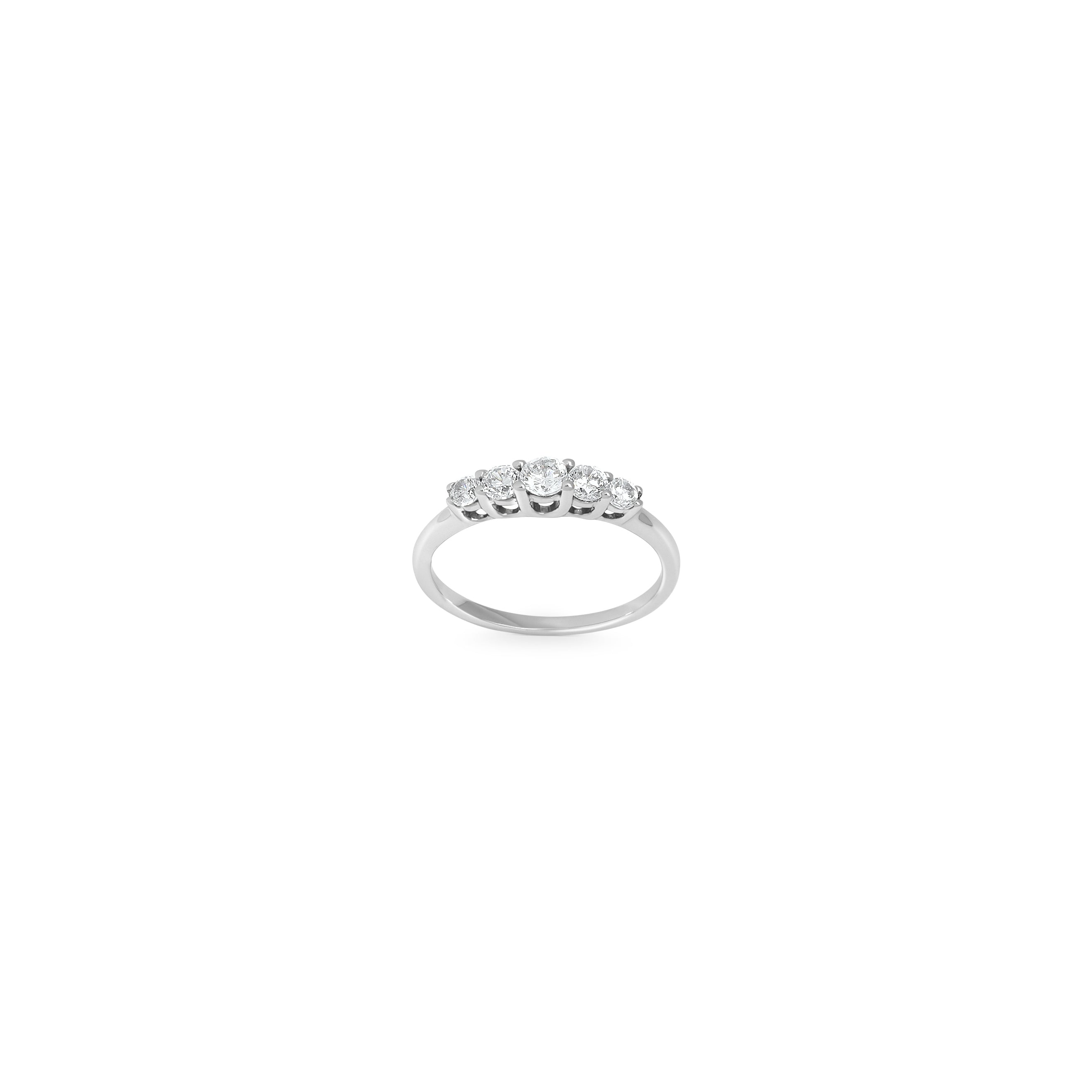
Strong, clear colors can also work very well – especially emerald green, sapphire blue, and ruby red – because the contrast with white gold makes both the color and the jewelry more prominent and exclusive. White gold suits those who prefer a minimalist and modern look, and often complements diamonds and light gemstones particularly well as the color does not compete with the stone.
White gold jewelry


A rule of thumb
What color suits you best?
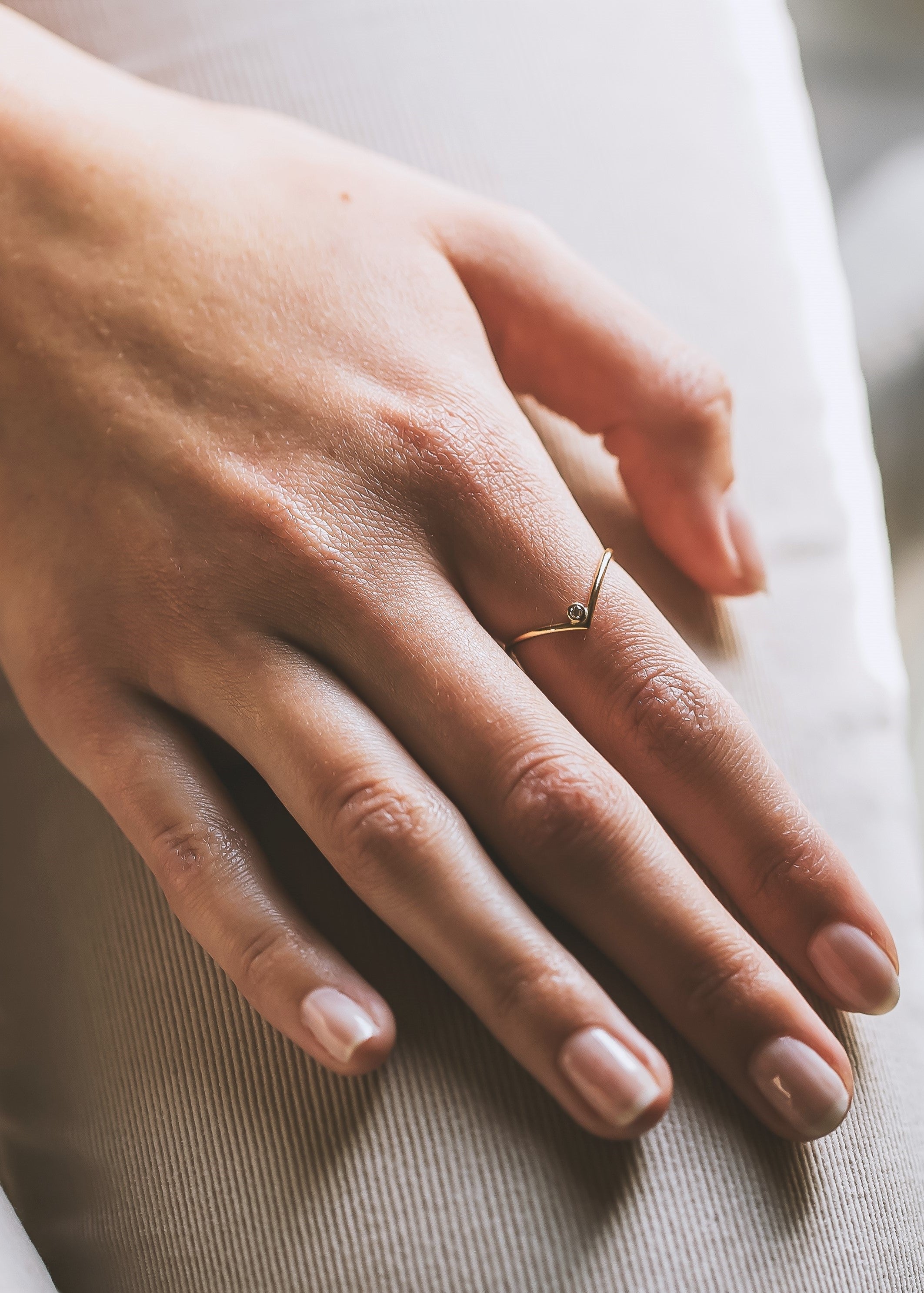
As a rule of thumb, warm undertones (green veins, skin with a golden hue) often suit yellow gold best, while cool undertones (bluish veins, fair or pink skin tone) are often enhanced by white gold. The simplest test, however, is to try on jewelry in both colors and see what lights up in the mirror.
Do you have to choose?
Feel free to combine!
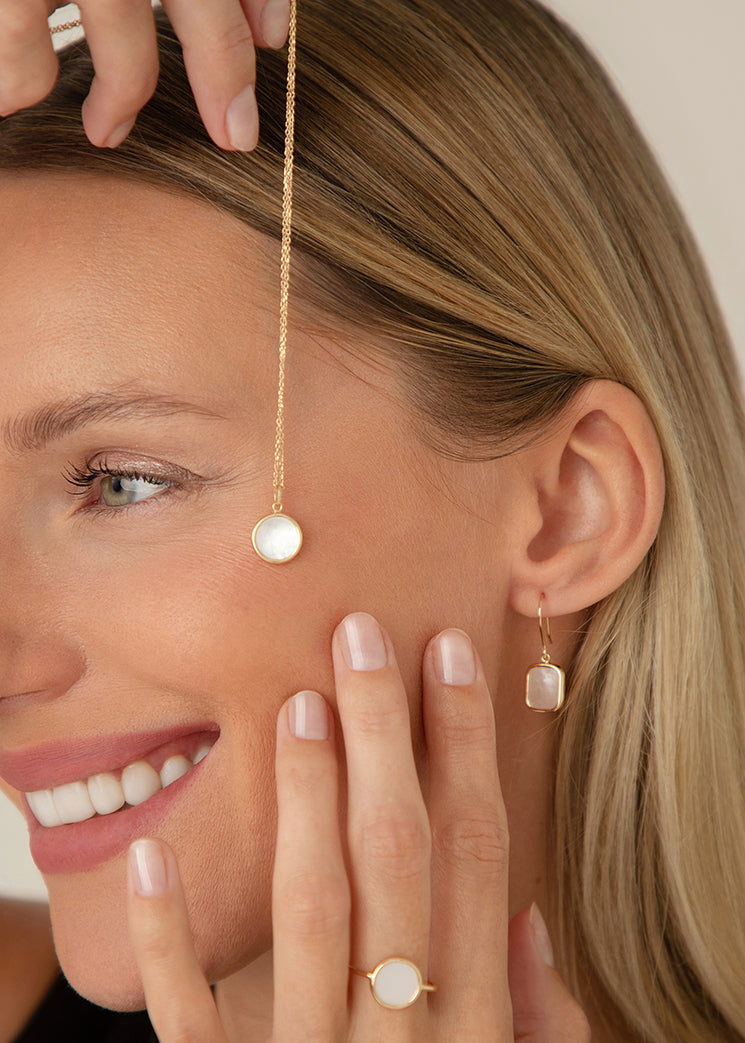
There is no rule stating that you must stick to one gold color. Combining yellow and white gold in the same set – or in one and the same piece of jewelry – is a great way to achieve a personal look without having to forgo either color. Whichever color you choose, the same craftsmanship and the same quality standards apply.
Get inspired!

De fire C-ene | Slik vurderer du en diamant
Skal du kjøpe en diamant – til en forlovelsesring, et anheng eller bare til deg selv? Da møter du fort fire ord: carat, cut, clarity og color. Her forklarer vi hva de betyr, og hvordan du kan bruke...
Read more
Leter du etter julegave til han? Se fire populære gaveidéer fra Arven: ringer, armbånd, halssmykker, mansjettknapper og personlig gravering, laget av gullsmeder i Bergen.
Read more
Julegaver | gi en gave som varer
Leter du etter en julegave som varer? Se Arvens gaveguide til julen 2026 med smykker i gull og sølv, perler, vintage og personlig gravering.
Read more