

Good daily habits
Most of the wear and tear on a piece of jewelry rarely occurs when it lies untouched in a drawer, but rather through contact with everyday chemicals and movements. A few simple habits make a big difference over time:
- Remove jewelry before showering, bathing, swimming, and exercising.
- Put on jewelry last – after perfume, hairspray, and cream have been applied and allowed to dry.
- Avoid contact with chlorine, cleaning agents, and other strong chemicals.
- Store jewelry separately, preferably in individual compartments or pouches, so they don't scratch each other.
Clean at home
A lot can actually be done at home, without any special equipment:
- Mix lukewarm water with a few drops of mild, fragrance-free dish soap.
- Let the jewelry sit in the water for a few minutes to loosen dirt and grease.
- Gently brush with a soft brush, such as an old toothbrush – be extra careful around settings and stones.
- Rinse thoroughly in clean water and dry with a soft, lint-free cloth.
Silver behaves a little differently: it tarnishes, meaning it becomes dull or dark over time when exposed to air and sulfur. Here, a silver polishing cloth is often the best supplement to – or replacement for – soapy water.
Different materials, different treatment
Gold, white gold, rose gold, silver and gold-plated jewellery all have their own unique characteristics. White gold is usually rhodium-plated, which gradually wears off and can give a faint yellowish tint over time – this is completely normal, and something a jeweller can easily refresh.
Gold-plated jewellery has a thin layer of real gold on top of another metal, and therefore tolerates a little less moisture and friction than solid gold. Silver needs regular polishing to stay shiny. If you want to know exactly what applies to your piece of jewellery, you can use the interactive guide further down in this post.
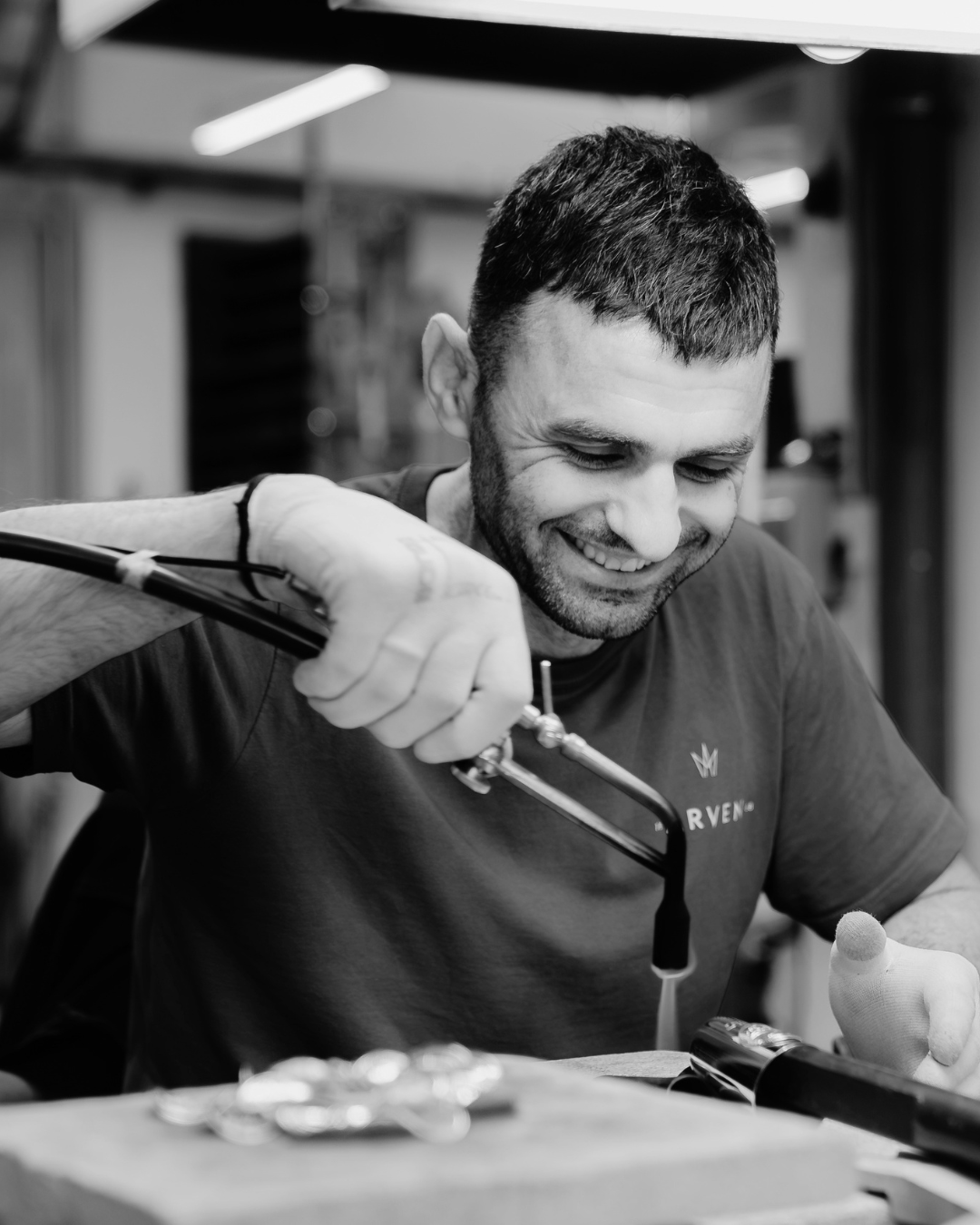
A professional cleaning & polishing
When should you visit a jeweler?
Some things are best left to professionals. Loose stones, worn-out clasps, bent ring shanks, or visibly worn plating are all signs that your jewelry needs a jeweler's eye. We also recommend a simple annual check of settings and clasps on jewelry you wear daily, such as engagement and wedding rings.
Read more about repairs with us here.
Vedlikeholdsguide
Ta godt vare på smykket ditt
Mye kan du faktisk gjøre hjemme selv med riktig stell. Velg smykket ditt under, så viser vi deg våre beste tips.
Steg 1
Hvilket metall er smykket ditt laget av?
Steg 2
Har smykket en stein?
Dine tips
Slik tar du best vare på smykket
Get inspired!
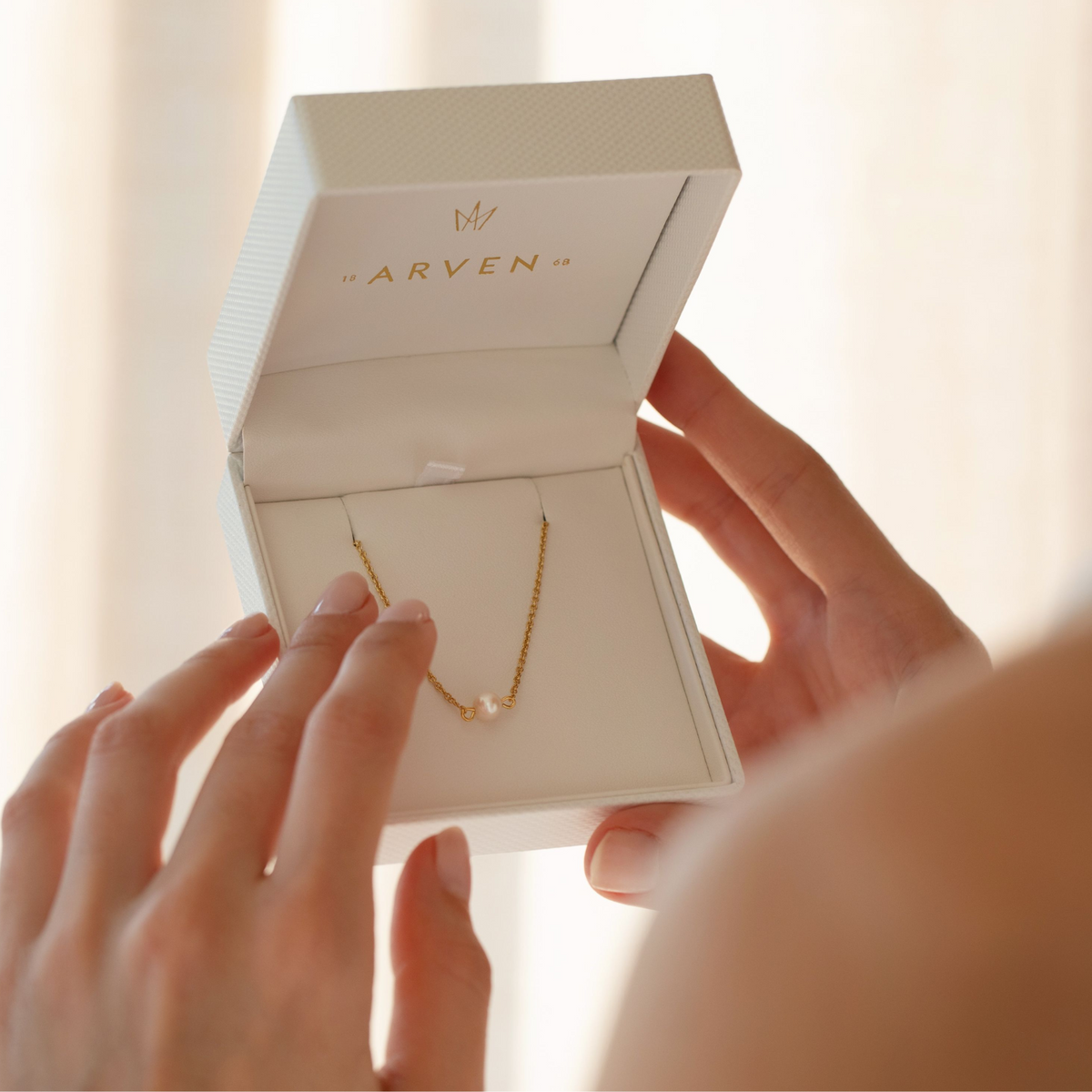
Julegaver i sølv og gull 2026 | Gaveguide
Leter du etter en julegave som varer? Se Arvens gaveguide til julen 2026 med smykker i gull og sølv, perler, vintage og personlig gravering.
Read more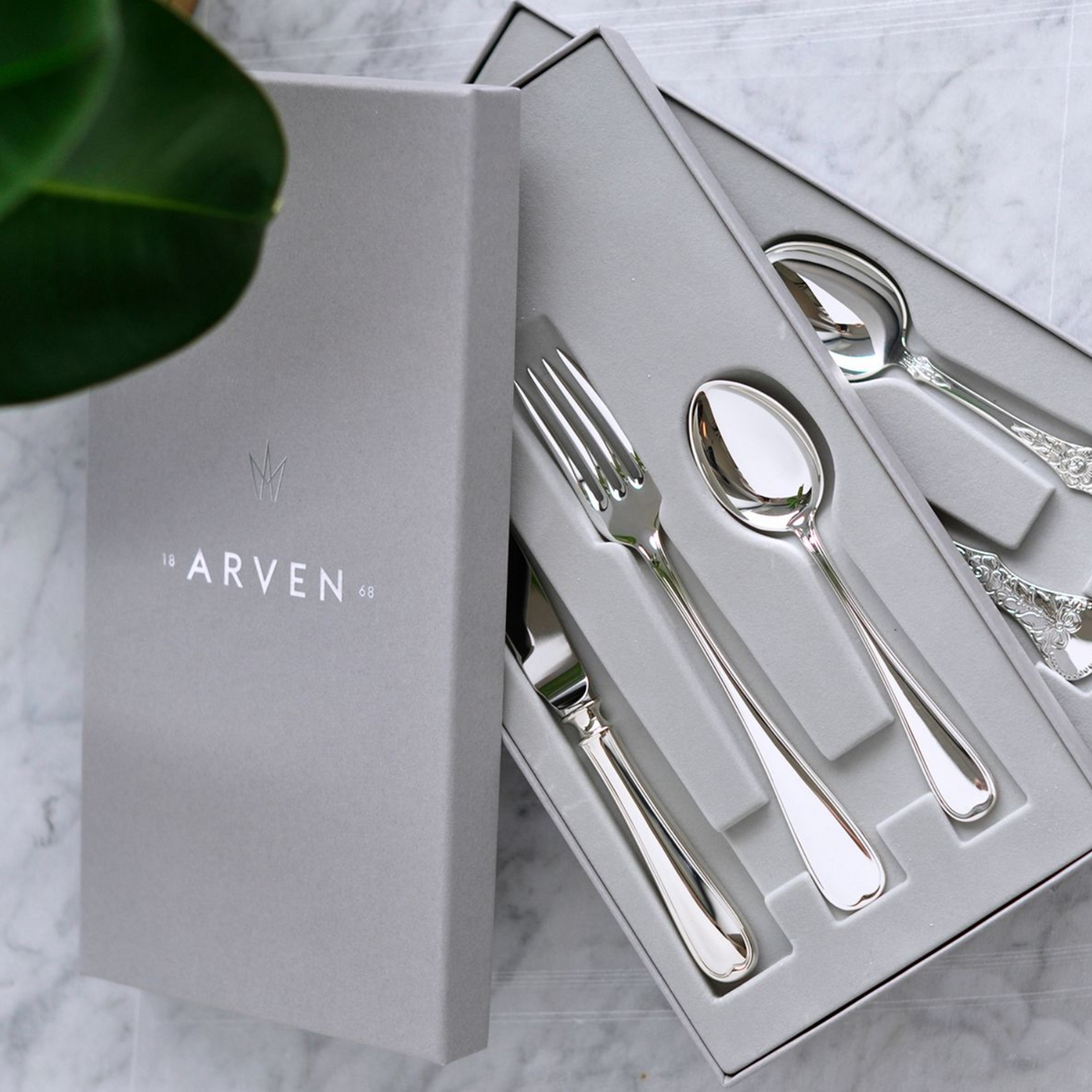
Pusse sølvbestikk | Slik gjør du det riktig
Har sølvbestikket blitt mørkt og matt? Her får du en guide til å pusse og vedlikeholde sølvbestikk, hva du bør unngå, og hvordan du oppbevarer det så det holder seg pent.
Read more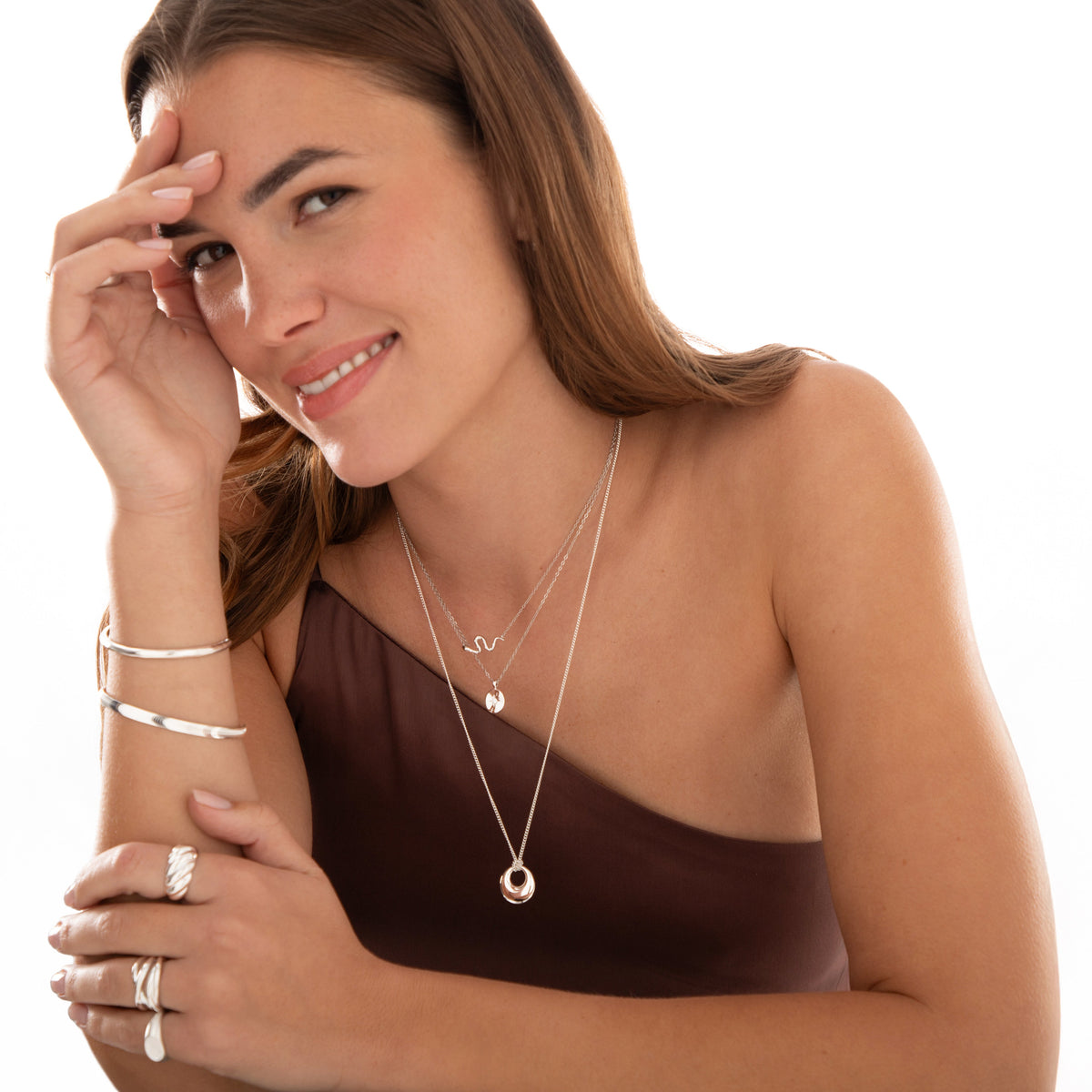
Correct Chain Length | Necklace Guide
Unsure which chain length to choose? Here's a complete guide to chain lengths, how to measure correctly, and which length suits different occasions.
Read more